



The National Vaccine Institute (NVI) has launched a nationwide Vaccine Perception Survey aimed at strengthening public confidence in locally manufactured vaccines and supporting Ghana’s long-term health security.
The survey seeks to generate evidence-based insights rooted in community realities to ensure that Made-in-Ghana vaccines meet the highest standards of quality and safety while also gaining public trust and acceptance.
The two-month exercise, which runs from February 16 to March 10, 2026, is being conducted in 55 districts across all 16 regions of Ghana. Data will be collected from 11,077 respondents through structured interviews using random sampling, alongside seven focus group discussions in strategically selected districts to gather qualitative insights.
According to the Institute, the study will assess public attitudes toward vaccines, identify drivers of confidence, examine barriers to acceptance of locally produced vaccines, and map misinformation trends that undermine vaccine uptake.
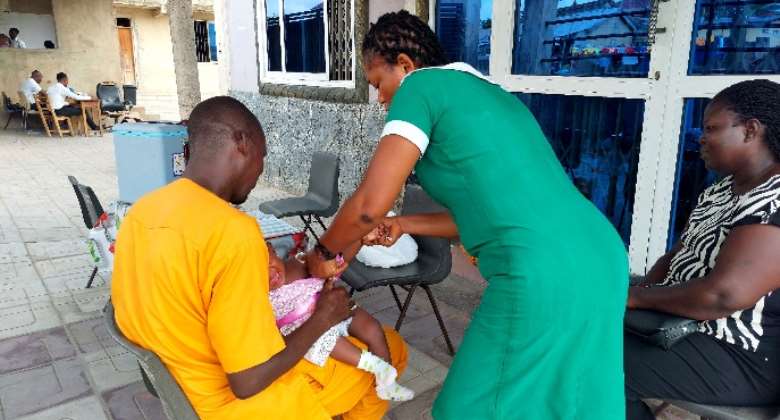
The findings are expected to inform national communication strategies, identify trusted messengers for vaccine advocacy, distinguish between attitudinal hesitancy and structural barriers, guide region-specific and demographic-focused messaging, and support Ghana’s transition toward vaccine self-reliance.
The initiative forms part of Ghana’s broader preparations to transition from support by the Gavi, the Vaccine Alliance by 2030, a move authorities describe as a defining step toward vaccine sustainability, sovereignty, and improved public health protection.
In a statement signed by the Chief Executive Officer of the Institute, Sodzi Sodzi-Tettey, vaccine confidence was said to vary significantly across regions. He noted that some parts of northern Ghana report higher levels of hesitancy, while urban areas face different misinformation challenges.
Dr. Sodzi-Tettey explained that conducting research across all regions would ensure policies reflect Ghana’s diversity and address the realities of both high-confidence and high-hesitancy communities.
The 55-district sample includes Metropolitan, Municipal and District Assemblies nationwide, with nearly 200 respondents per district expected to provide sufficient statistical strength for district-level estimates and regional comparisons while maintaining operational feasibility.
The survey will establish a national baseline for vaccine confidence across regions and demographic groups, identify factors influencing uptake, assess the misinformation landscape, and examine how approval by the Food and Drugs Authority influences vaccine acceptance.
The Institute is therefore urging residents in the selected districts to actively support the research, stressing that participation is voluntary and that all information gathered will remain strictly confidential.
“This is not a sales pitch. We genuinely want to listen and understand. The information provided is strictly confidential. Together, we build vaccine confidence that protects every Ghanaian,” Dr. Sodzi-Tettey stated.
He added that Ghana has long been a leader in immunization in West Africa, built on trust in health workers and vaccines, and that as the country begins manufacturing its own vaccines, that legacy must be sustained through transparency, community engagement, and responsiveness.
The survey, he noted, directly supports the Institute’s mandate to coordinate and supervise vaccine and sera research, development, and manufacturing in Ghana by bridging vaccine production with public acceptance.

Chief Executive Officer of NVI, Dr Sodzi Sodzi-Tettey
By identifying myths, amplifying trusted voices, and addressing structural barriers, the initiative aims to ensure that locally produced vaccines are not only scientifically sound but also socially embraced nationwide.
