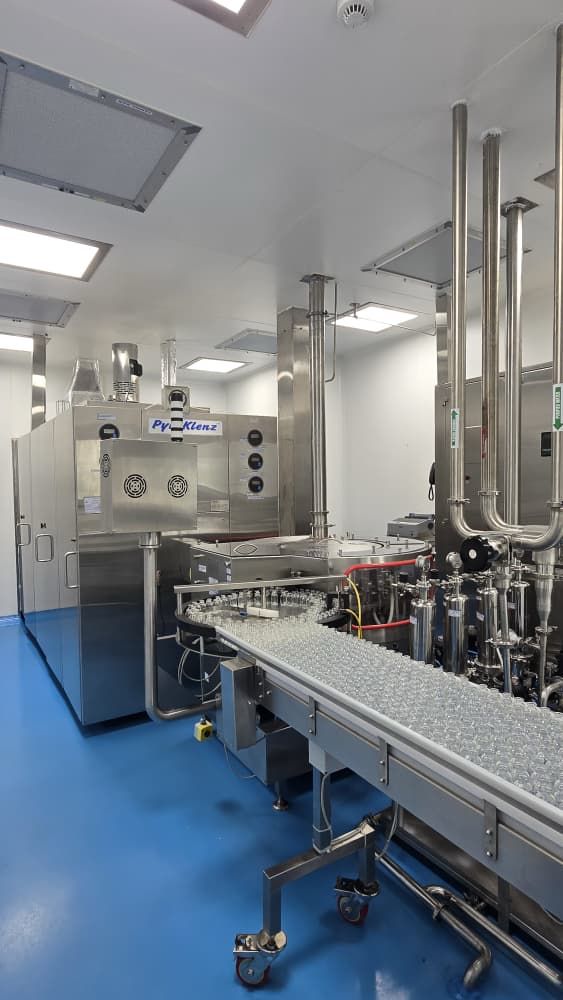

71.3% Ghanaians express willingness to accept and use vaccines manufactured in Ghana-NVI survey

A survey conducted by the National Vaccine Institute indicates that growing confidence of Ghanaians and support for local vaccine manufacturing. The findings show that Ghanaians largely regard vaccines as life-saving interventions and demonstrate a strong sense of collective responsibility toward ensuring vaccine sovereignty and sufficiency for the nation.
The survey also highlights growing national pride and willingness among citizens to support locally manufactured vaccines once production begins in 2027. The study covered all the 16 regions and 55 districts of Ghana. A total of 13,905 valid responses were analyzed, making it one of the most comprehensive national assessments of public attitudes toward vaccines and locally manufactured health products.
The research assessed public perceptions of vaccines, examined drivers of confidence, identified barriers to acceptance of locally manufactured vaccines, and analyzed misinformation trends affecting vaccine uptake.
The findings provide an evidence-based foundation for targeted public education and behavior-change interventions ahead of Ghana’s planned local vaccine production.
In a statement signed by the chief executive officer of NVI, Dr. Sodzi Sodzi-Tettey revealed high levels of vaccine confidence nationwide. About 89.7% of respondents expressed confidence in vaccines while 94.2% indicated a collective responsibility to ensure vaccine availability.

In addition, 71.3% Ghanaians demonstrated willingness to accept and use vaccines manufactured in Ghana. The findings indicate that, more than seven out of every ten respondents are ready to embrace Made-in-Ghana vaccines once they become available. The study further revealed exceptionally high trust in healthcare professionals and national regulatory institutions.
About 87.8% of respondents indicated trust in doctors and nurses who administer vaccines, while many also expressed confidences in the Ghana Health Service (GHS) and the Food and Drugs Authority (FDA).
’’This strong institutional trust provides a solid foundation for Ghana’s vaccine manufacturing agenda and positions healthcare workers as key advocates in building public confidence in locally produced vaccines’’, the statement said.
On low Awareness of Ghana’s Vaccine Manufacturing Plans Despite the positive outlook on vaccines, the survey revealed critically low public awareness regarding Ghana’s local vaccine manufacturing agenda. Only 14.3% of respondents were aware that Ghana is building local vaccine manufacturing capacity ahead of the planned 2027 launch.
The findings highlight the urgent need for intensive nationwide awareness campaigns to educate the public about Ghana’s vaccine manufacturing efforts, address misinformation, and encourage public ownership of the initiative.
The survey showed that urbanized regions such as Greater Accra, Central, and Ashanti recorded comparatively lower vaccine acceptance despite higher access to information. In contrast, rural communities in northern Ghana and regions such as Oti demonstrated stronger trust and acceptance of vaccines.
These regional variations underscore the importance of targeted and context-specific communication strategies.
The survey has revealed strong national pride and willingness among respondents to support locally manufactured vaccines. Many participants indicated that seeing Ghanaian scientists and local factories involved in vaccine production would increase their confidence in and acceptance of Ghana-made vaccines.
However, the study identified key barriers that could affect vaccine uptake, including cost of vaccines, distance to vaccination centres and concerns about vaccine storage and transportation systems.
Operational concerns, especially regarding cold chain systems in rural areas, were also identified as factors that could undermine public confidence at the point of delivery.
The NVI and relevant stakeholders are therefore expected to strengthen cold chain infrastructure, improve storage and transportation systems, and ensure transparent handling protocols to maintain public trust.
As Ghana moves toward local vaccine production, public awareness, trust, and acceptance will be critical to the success of the initiative, the statement noted.
The NVI therefore plans to roll out a nationwide awareness and acceptance campaign aimed at educating the public on locally manufactured vaccines, addressing misinformation, and promoting national buy-in.
The campaign is expected to involve government institutions, development partners, healthcare professionals, civil society organisations, community leaders, the private sector, and the media, all of whom will play important roles in shaping public perception and building confidence in Ghana-made vaccines.
According to Dr Sodzi Sodzi-Tettey, “Ghana has a strong foundation of vaccine confidence, but success depends on bridging the awareness and trust gap for locally manufactured vaccines.
What is needed now, he observed, is targeted policy and communication strategies to address misinformation, cost barriers, and regional disparities in order to encourage uptake.
The NVI CEO commended key stakeholders such as the GHS, FDA, and the WHO for their continuous support and valuable insights they bring to the Institute’s work.” Findings The survey findings are particularly important because public perception remains a key determinant of vaccine uptake.
The research therefore provides critical baseline data that will help government and health partners to establish baseline metrics, identify specific barriers, design targeted behavior-change interventions, prepare messaging strategies, anticipate misinformation narratives and maximize public confidence.
The survey, Dr Sodzi Sodzi-Tettey said, is timely as Ghana’s pharmaceutical sector is transitioning toward vaccine self- sufficiency, with locally manufactured vaccines expected to be launched in 2027.
This, he noted represents a major milestone in Ghana’s pharmaceutical innovation, industrial growth, and health security agenda. Ghana’s local vaccine manufacturing initiative also contributes to the broader African Union vision of the Partnerships for African Vaccine Manufacturing (PAVM) to locally produce at least 60% of Africa’s vaccines by 2040.