


Alarming statistics from the 2022 Ghana Demographic and Health Survey (GDHS) indicate that 22 percent of adolescent girls in Northern Ghana are either pregnant or already mothers.
The data further reveals that one in every five girls aged 15–19 in Northern Ghana is either pregnant or has begun childbearing, while more than one in three girls in rural communities are married before the age of 18.
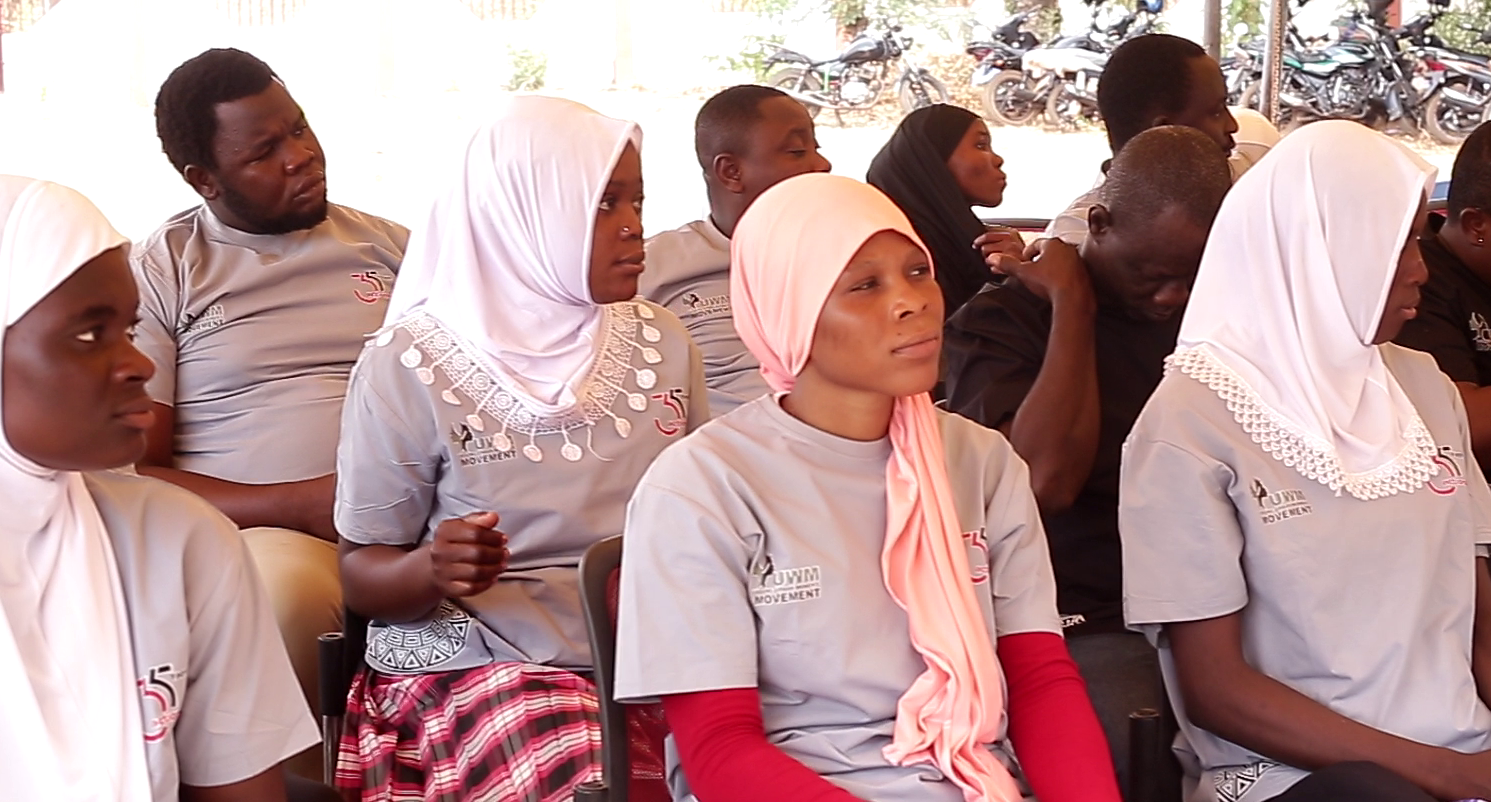
These concerns were brought to the fore during the celebration of this year’s International Women’s Day at Tuutingli, organized by the Young Urban Women’s Movement in collaboration with ActionAid Ghana.
Speaking at the event, Programme Officer at ActionAid Ghana, Hajia Alia Mumuni, underscored the urgent need to address gaps in Reproductive Health Education (RHE), which she described as widely misunderstood, poorly implemented, or entirely absent in many schools.
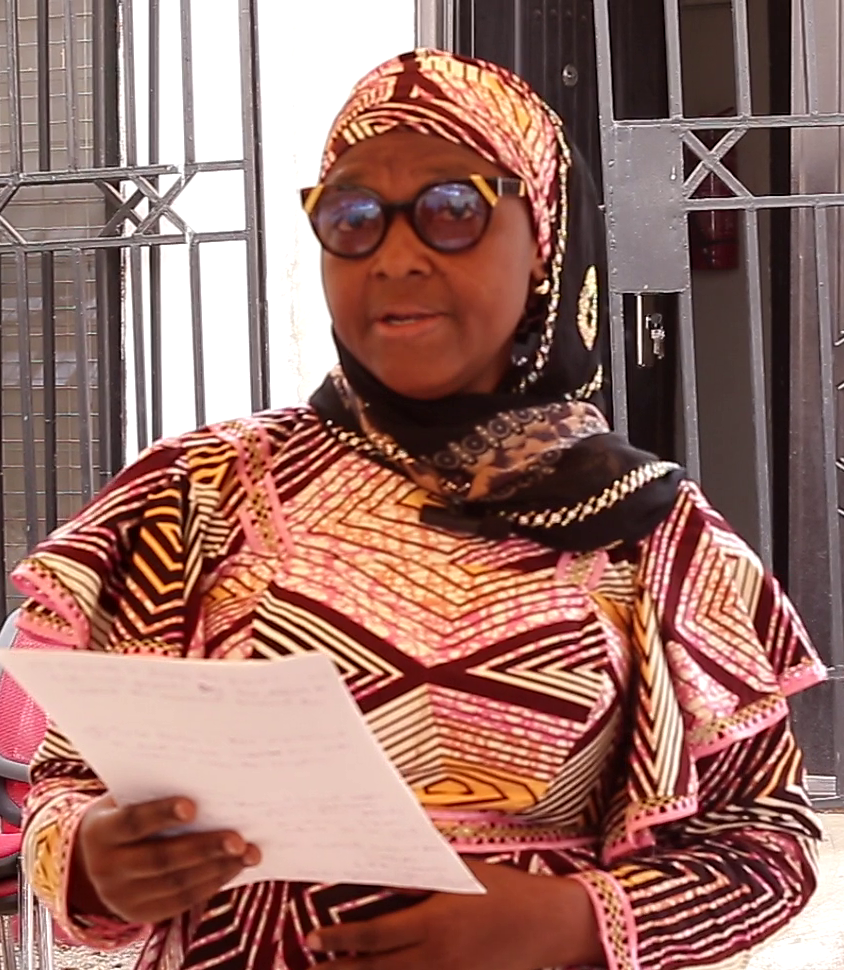
She noted that stigma, entrenched myths, and cultural silence continue to hinder open discussions on sexual and reproductive health between parents and their children, leaving many adolescents without accurate information.
Hajia Mumuni emphasized that although some health facilities are physically accessible, they often remain socially and emotionally unwelcoming to young people, particularly girls, due to judgmental attitudes and the lack of youth-friendly services.
“The theme for this year’s celebration, ‘Give to Gain – Investing in Safety, Dignity, and Justice for Women and Girls,’ is not only fitting but a moral, strategic, and national imperative,” she stated.
She identified adolescent pregnancy as the leading cause of school dropout among girls, noting that girls who give birth before the age of 18 are more likely to remain trapped in poverty, experience gender-based violence, and face limited employment opportunities.
According to her, boys are also affected, as many lack proper guidance on sexual and reproductive health, leading to risky behaviours, misinformation, and, in some cases, aggression.
“A 15-year-old girl who becomes pregnant is unlikely to return to school, while a boy who contracts a sexually transmitted infection may avoid seeking treatment due to fear and stigma,” she explained.
Hajia Mumuni called for a shift in societal attitudes from shielding young people from conversations about sexuality to equipping them with the knowledge and tools to manage their sexual health responsibly.
She stressed the importance of empowering adolescents with accurate information about their rights, their bodies, and available health services, noting that young girls should understand menstruation before experiencing it.
She also advocated for greater youth inclusion in policymaking, arguing that designing policies without the involvement of young people often leads to ineffective outcomes. “It is no longer acceptable to design policies for young people without their input. If they are not at the table, their realities will be misunderstood or ignored,” she added.
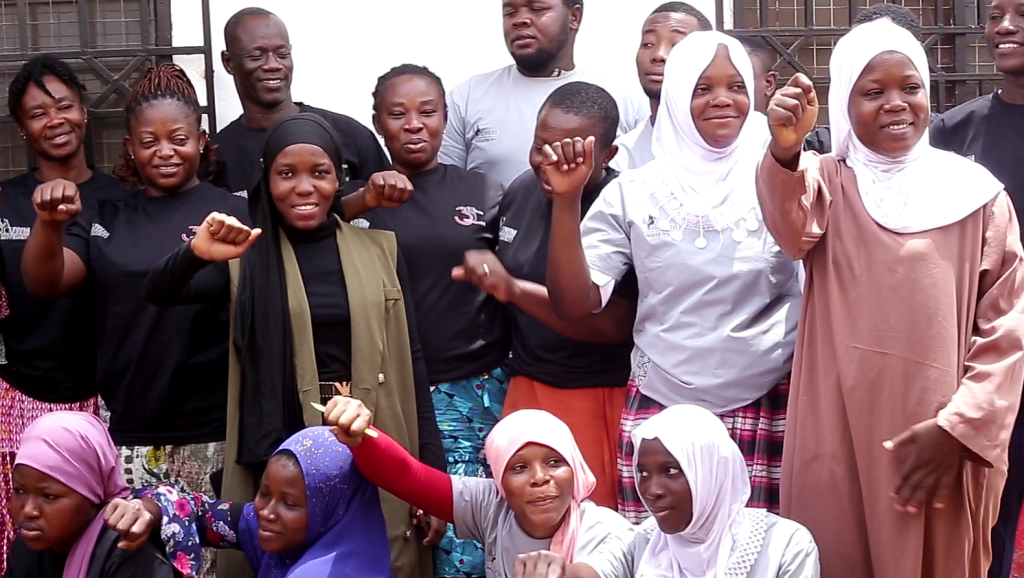
Hajia Mumuni, however, acknowledged the positive impact of youth-led initiatives across Northern Ghana, which are contributing to a reduction in teenage pregnancy through peer education, engagement with traditional and religious leaders, and the use of digital platforms such as TikTok, radio, and community drama to address sensitive issues.
The event formed part of efforts to promote dialogue and action toward improving the safety, dignity, and rights of women and girls in Ghana.
