

Challenges facing rural nurses: How a Midwife Turns Labour Room into Sleeping Quarters While Conducting Deliveries at Tarikpaa

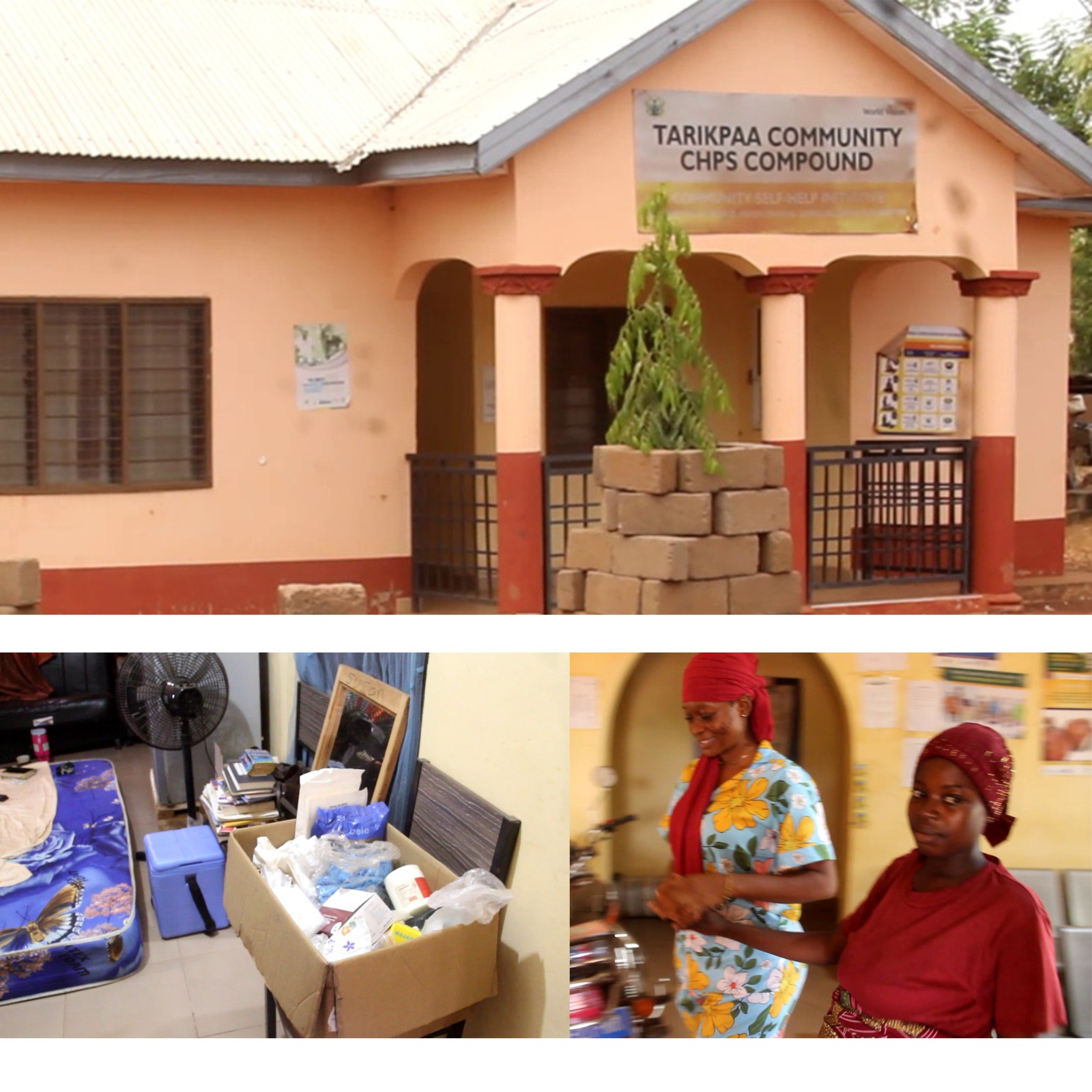
Despite persistent challenges, nurses who accept postings to rural communities in Northern Region continue to make a remarkable impact on healthcare delivery, especially in hard-to-reach areas.
Through dedication, compassion, and innovation, they save lives and restore confidence in the healthcare system among rural populations.
One such nurse is Susan Abugri Baba, a midwife stationed at the Tarikpaa CHPS Compound, in the Savelugu municipality whose commitment has transformed maternal healthcare in the community.
Ms. Susan was posted to Tarikpaa two years ago, a decision she embraced without hesitation. She describes the posting as “the best thing that has happened in her life.”
At the time of her arrival, many pregnant women in the community preferred home deliveries due to negative perceptions about how nurses treated them, including fears that their privacy would be compromised during childbirth.
Learning from the experiences of a previous midwife who struggled with low attendance, Ms. Susan adopted a different approach.
She reassured women that she was “one of them” and went the extra mile by conducting regular home visits. This strategy gradually built trust and convinced expectant mothers that the health facility was a safe and respectful place to seek care.
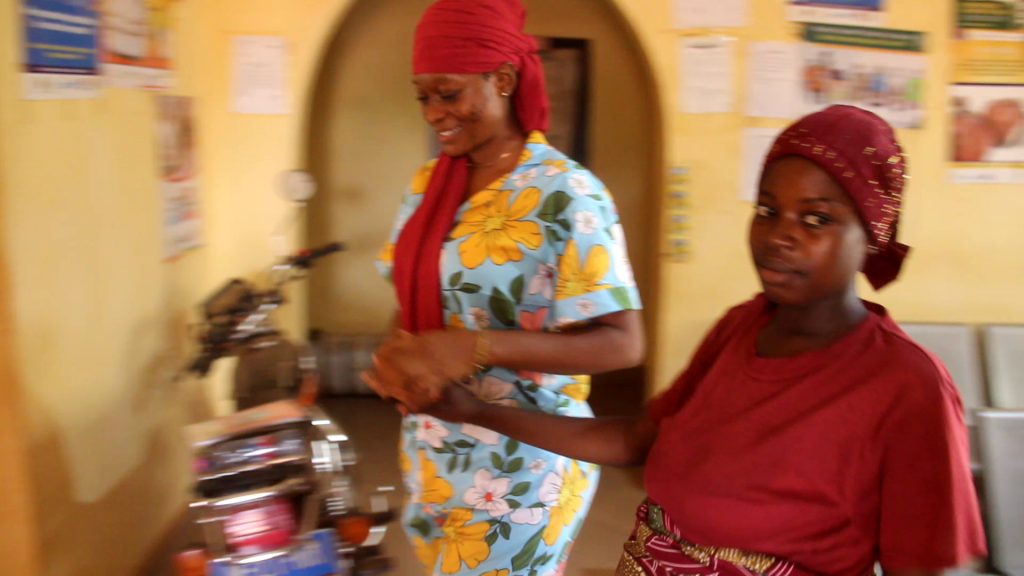
Susan with client to labour room
According to her, many women feel more comfortable discussing their health challenges with her in their homes than at the facility, especially in the presence of other staff.
Through these interactions, she established strong rapport and assured them of confidentiality, an assurance that significantly increased patronage of the CHPS compound. Currently, Tarikpaa CHPS Compound has seven health staff: three community health nurses, three clinicians, and one midwife Ms. Suzan. However, she is the only nurse living in the community. The remaining six commute from outside because there is no staff accommodation.
Despite this challenge, Ms. Susan chose to stay in Tarikpaa to ensure pregnant women no longer had to travel long distances to Moglaa or Savelugu for antenatal and delivery services.
The facility serves an estimated population of 4,500 to 6,000 people within the Tarikpaa CHPS zone.
Beyond her clinical duties, the midwife also assumes additional roles as a cleaner and security person at the facility, particularly during night deliveries. To further accommodate cultural preferences, Ms. Susan gives expectant mothers the option to deliver either on a bed or on the floor.
“Some women cannot climb onto the bed, and others prefer delivering on the floor as they do at home,” she explained. “So I ask them where they are comfortable. When they leave, they tell others that they have options at the facility”, Suzan stated.
This inclusive approach, combined with regular follow-ups and phone calls, she explained has helped increase trust and utilization of the CHPS compound.
The facility Ms. Suzan said records between 8 and 12 deliveries per month, a significant improvement compared to previous years. Speaking to Zaa News, she commended the Tarikpaa community for their concern for their health and their self-help initiatives, which led to the construction of the CHPS compound.
However, the lack of accommodation remains a major challenge. Ms. Susan revealed that she has been forced to convert the labour room into her sleeping quarters, while the lying-in room now serves both as a labour and recovery ward.
She expressed hope that the ongoing community-led three-bedroom nurses’ accommodation project will receive the needed support to be completed on time, allowing her colleagues to finally relocate to the community and strengthen healthcare delivery.
As rural communities continue to grapple with limited resources, stories like that of Susan Abugri Baba highlight both the resilience of frontline health workers and the urgent need for sustained investment in rural healthcare infrastructure.
Responding to the security concerns of the midwife, assembly member for the area, Alhassan Osman Askandah admitted that it is risk for the nurse to live in the facility without security man and assured that community leaders are making effort to get security man for the facility.
He expressed the hope that, the community development-oriented nature will ensure that the CHPS compound is properly secured.
