


Metropolitan, Municipal and District Assemblies (MMDAs) in the Northern Region have attributed their inability to provide adequate development infrastructure and social services to poor collection of property rates.
According to the assemblies, property rates constitute one of their major sources of Internally Generated Funds (IGF), but several challenges continue to hinder effective collection from property owners.
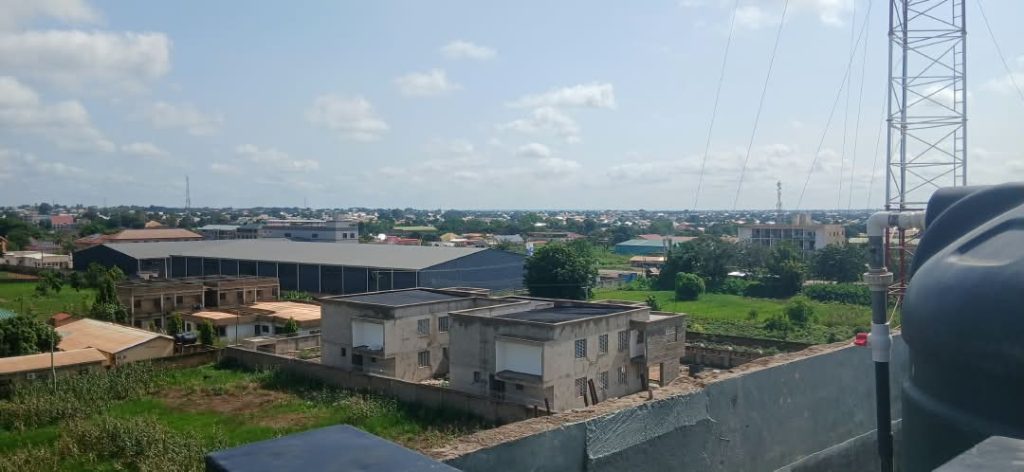
Tamale, the regional capital, is experiencing rapid population growth and urbanization, with the city’s population estimated at 826,457 in 2026, compared with 464,316 recorded in the 2021 Population and Housing Census.
The rapid expansion of the metropolis, characterized by the emergence of new residential communities and increasing population, has resulted in a corresponding rise in the number of properties.
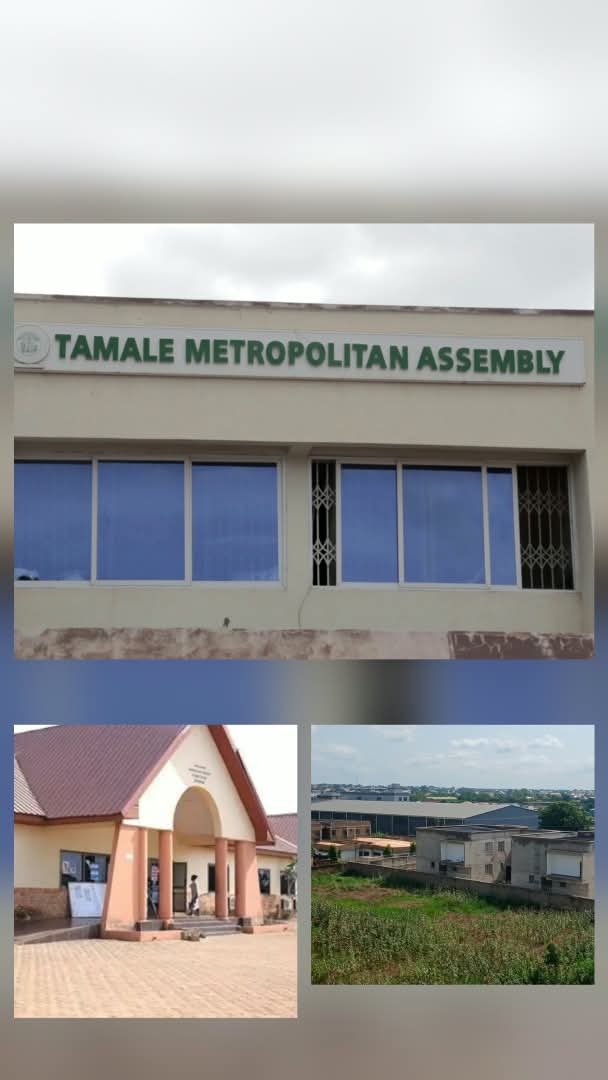
However, officials of the Tamale Metropolitan Assembly say the growing number of properties has not translated into increased revenue from property rates, largely due to inadequate data on properties, limited logistics and insufficient public education.
At a day dialogue session in Tamale organized by Norsaac, it came out that
the challenges cut across almost all the sixteen rural and urban MMDAs in the region. The session was attended by youth networks, ministry of finance, ministry of local government and civil society organizations.
Budget Officer of the Tamale Metropolitan Assembly, Mr Julious Abaala, identified inadequate property data, lack of logistics such as motorbikes, insufficient human resources and limited public awareness of property rates as some of the major challenges confronting the assembly.
He said while most commercial property owners regularly pay their property rates, many residents were unaware that residential properties were also liable to property rates.
Mr Abaala said the assembly was struggling to address a number of development challenges, including sanitation, furniture shortages and the provision of basic social amenities, which require adequate revenue to address.
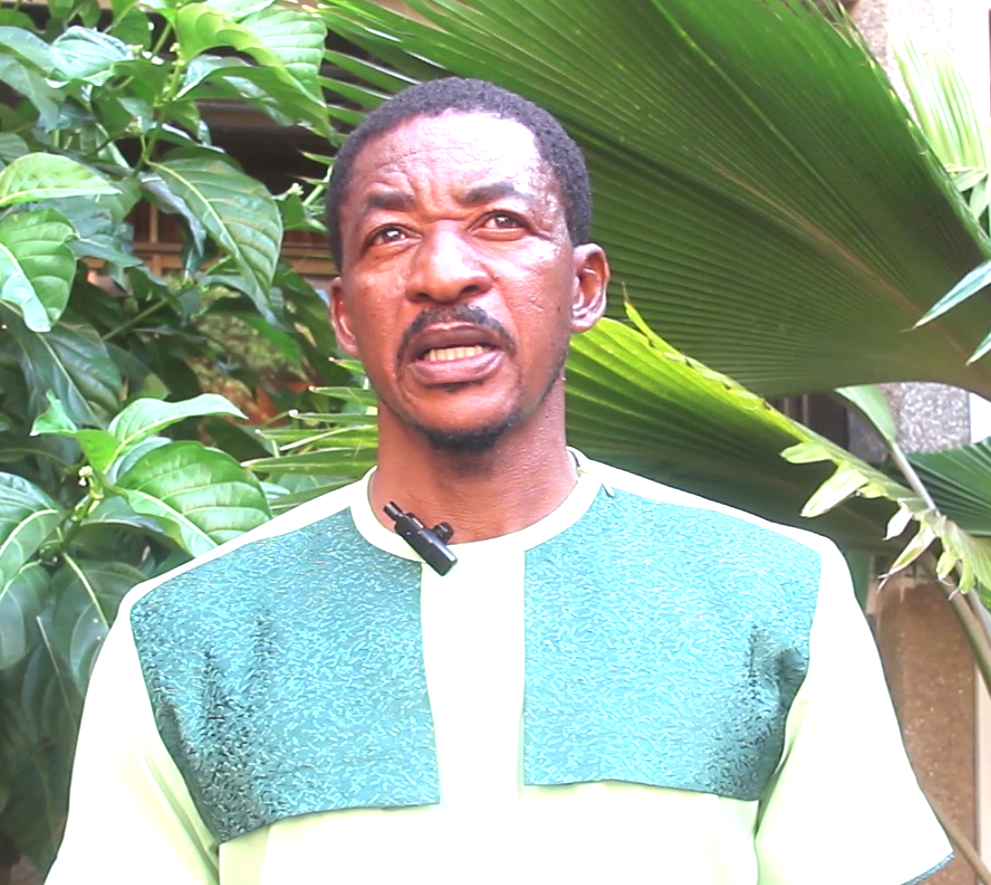
He therefore urged residents to pay their taxes and property rates to enable the assembly to provide the needed services.
Mr Abaala explained that the assembly also lacked the capacity and resources to independently value properties and had to rely on the Regional or National Spatial Planning authorities, a process he said came at a cost beyond the assembly’s financial capacity.
“The cost is the reason why assemblies are unable to value properties,” he stated.
Mr Abdulai Mohammed, the budget unit at the Sagnarigu Municipal Assembly, said property rates remained an important source of Internally Generated Funds for the assembly, but collecting them from property owners continued to be a challenge.
He said the assembly had issued several reminders to property owners and was hopeful of positive responses.
Mr Mohammed attributed part of the challenge to inadequate public education, saying some residents were more concerned about how the revenue collected by the assembly was being utilized.
He said the assembly had a responsibility to continuously engage residents and explain how their taxes and other revenues were being used to improve development in their communities.
The assembly, he added, was also constrained by inadequate human resources and logistics for revenue mobilization.
Mr Mohammed disclosed that the Sagnarigu Municipal Assembly had only three revenue collectors on its payroll, in addition to four commission-based collectors, a number he described as inadequate considering the size and population of the municipality.
He said residential buildings, major and minor, industrial properties, as well as commercial structures, were among the properties liable to pay property rates.
The officials are therefore calling for increased public education, improved property data, adequate logistics and additional revenue collectors to strengthen property rate mobilization and enable the assemblies to generate the resources needed for local development.
