


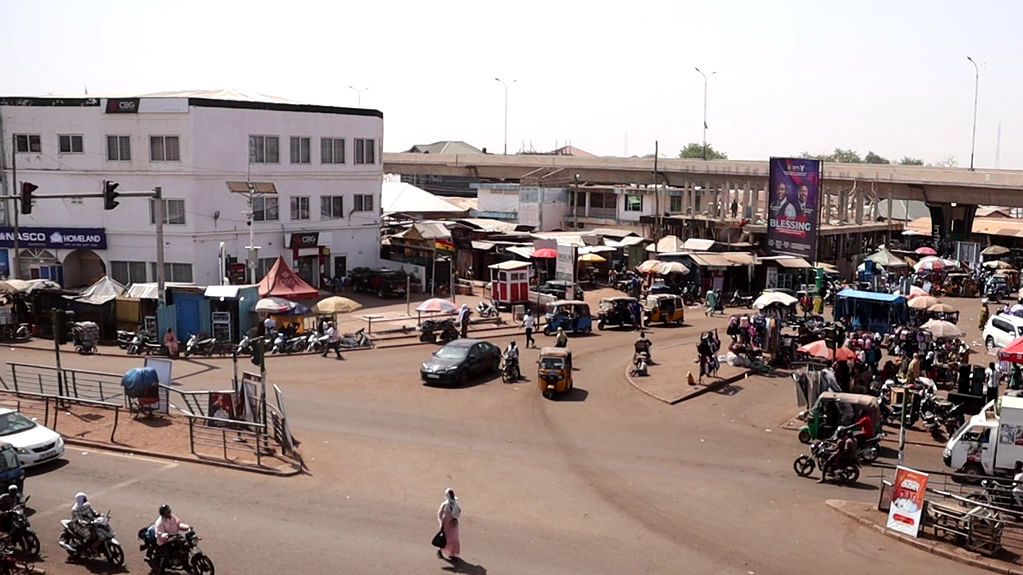
A high-level multistakeholder dialogue on strengthening property rate administration and collection has been held in Tamale.
The meeting, organized by Norsaac with support from Oxfam, brought together budget officers, coordinating directors, representatives of youth networks involved in digital tax campaigns, officials from the Ministry of Local Government, Chieftaincy and Religious Affairs, civil society organizations and other stakeholders.
The dialogue sought to examine the challenges confronting Metropolitan, Municipal and District Assemblies (MMDAs) in collecting property rates and identify practical measures to improve revenue mobilization.
Participants shared evidence and lessons from Norsaac’s interventions in property rate administration, taxpayer education and youth-media engagement on tax accountability.
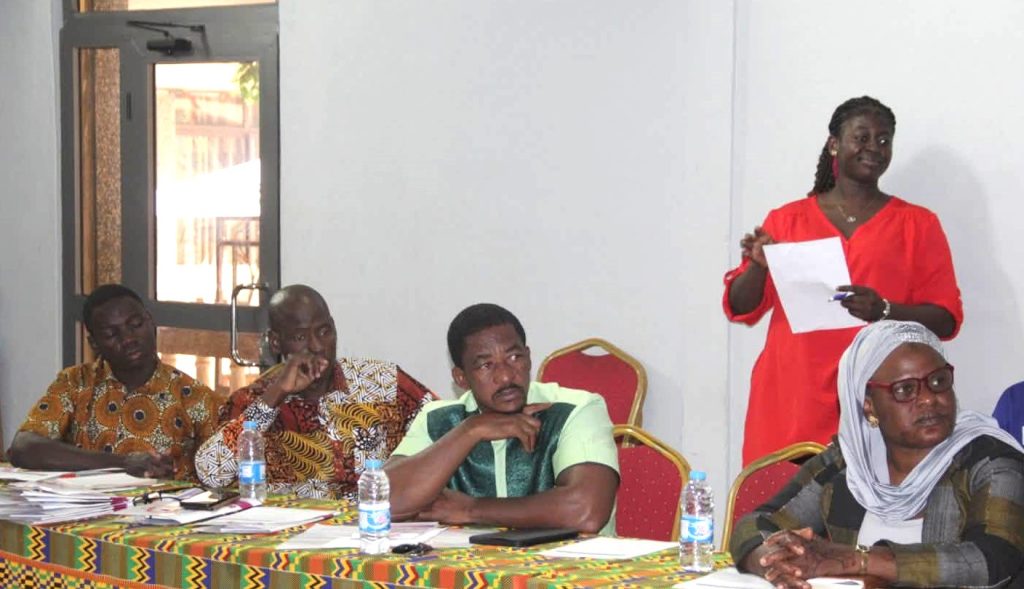
The meeting also provided an opportunity for stakeholders to assess reforms, including property databases, and identify policy, institutional and operational bottlenecks affecting effective property rate collection.
Head of Programme and Policy Influencing at Norsaac, Hajia Hafsatu Sey Sumani, said the dialogue was aimed at reviewing progress, addressing existing bottlenecks and agreeing on practical measures to improve property rate performance.
She said the discussions would contribute to a Norsaac-led position paper containing recommendations to improve property rate administration, collection and accountability.
Ms. Sumani commended Oxfam for its continued support in bringing citizens and assemblies together to discuss taxation, particularly property rates.
She noted that while citizens often lacked adequate information about property rates, assemblies also faced challenges in providing information to property owners, resulting in low compliance and revenue mobilization.
She therefore called for sustained engagement between assemblies and citizens to improve understanding of property rates and increase revenue collection.
Youth Education and Gender Officer at Oxfam, Dorcas Awonnate Adaawen, said Ghana’s sustainable development would require stronger domestic revenue mobilization, particularly through property taxation.
She urged MMDAs to adopt more effective and transparent mechanisms to collect property rates from property owners.
Speaking to Zaa News, Programme Officer at Norsaac, Salima Abdulai, described property rates as a sustainable source of Internally Generated Funds (IGF) for MMDAs.
She said despite Norsaac support to some assemblies, gaps remained in efficiency, transparency and accountability.
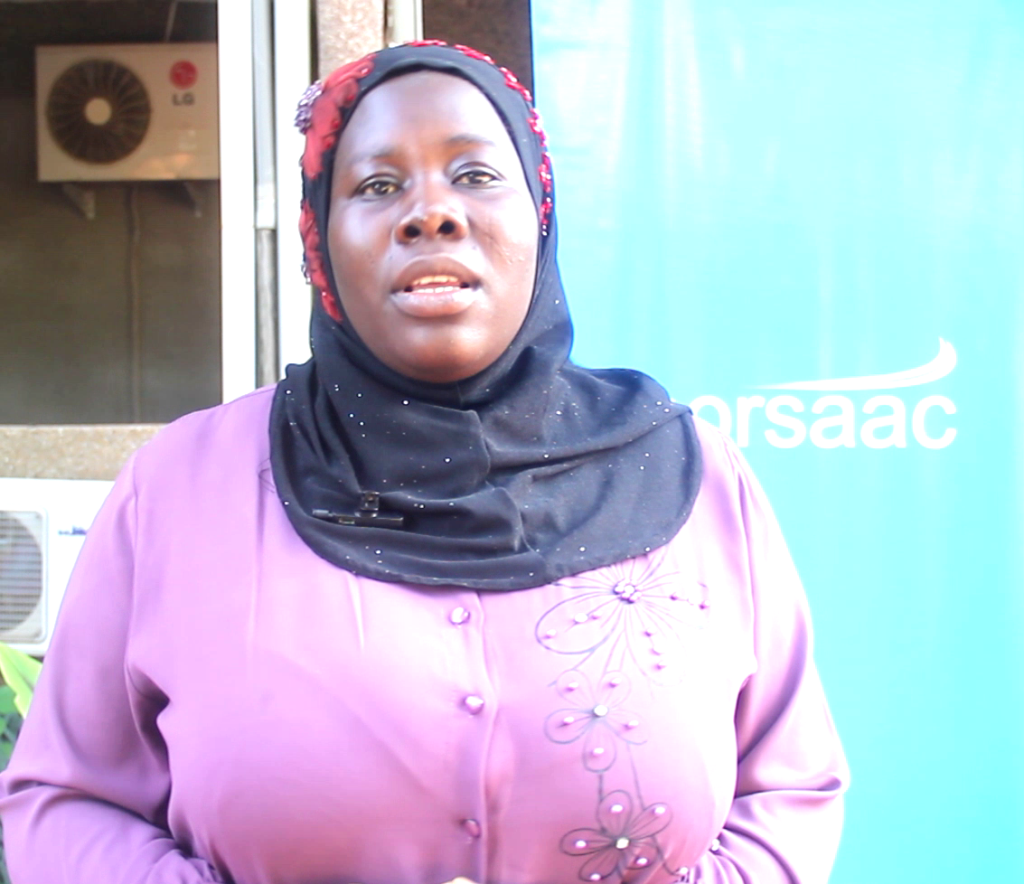
Norsaac, with support from Oxfam, she added had conducted research into property rate collection in selected district assemblies in the Greater Accra and Ashanti regions and was seeking to replicate the initiative in the Northern Region.
Representatives of the assemblies identified inadequate property data, lack of logistics such as motorbikes, insufficient human resources and limited public awareness of property rates as some of the major challenges affecting collection.
The stakeholders called for stronger collaboration among MMDAs, relevant ministries, civil society organizations, the media and citizens to improve taxpayer compliance and accountability and enhance local revenue mobilization.
