


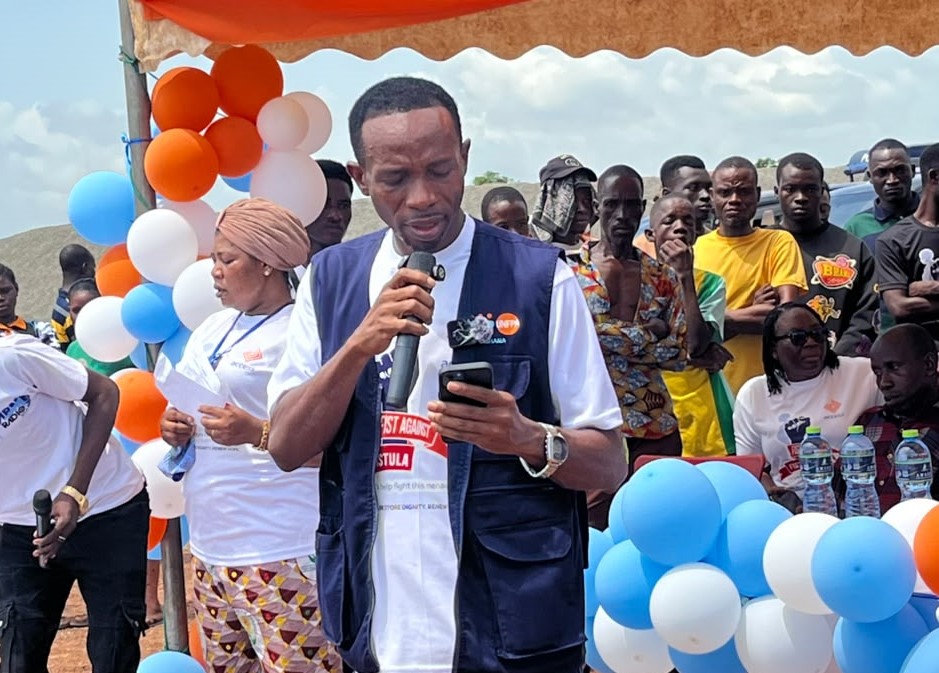
Access Bank Ghana, in collaboration with the United Nations Population Fund (UNFPA), has organised a fistula awareness campaign in the Zabzugu Municipality of the Northern Region to educate the public about obstetric fistula, its causes, prevention and the need to support affected women.
The campaign seeks to raise awareness of a condition that continues to affect women following prolonged and obstructed labour, often leaving them to endure physical challenges, social isolation and stigmatisation, particularly in rural communities.
Obstetric fistula is an abnormal opening that develops between the birth canal and the bladder or rectum, usually as a result of prolonged, obstructed labour without timely and adequate medical intervention. The condition can cause the uncontrolled leakage of urine or faeces, affecting the health, dignity and social well-being of women.
The event brought together health professionals, students, community members and other dignitaries from across the Northern Region, including the Zabzugu District Health Director, Victoria Teni Aboyella, and Jude Domosie, National Programme Analyst at UNFPA.
Access Bank Ghana has supported women affected by fistula across the country since 2018 as part of efforts to improve access to treatment, promote awareness and reduce the stigma associated with the condition.
Over the years, fistula has remained a public health concern in parts of Northern Ghana, where women in rural communities may face challenges accessing timely maternal healthcare and treatment. The condition can also expose affected women to discrimination, rejection, and social isolation.
According to the Zabzugu District Health Directorate, about 36 fistula cases have been identified in the area, with nine surgeries conducted.
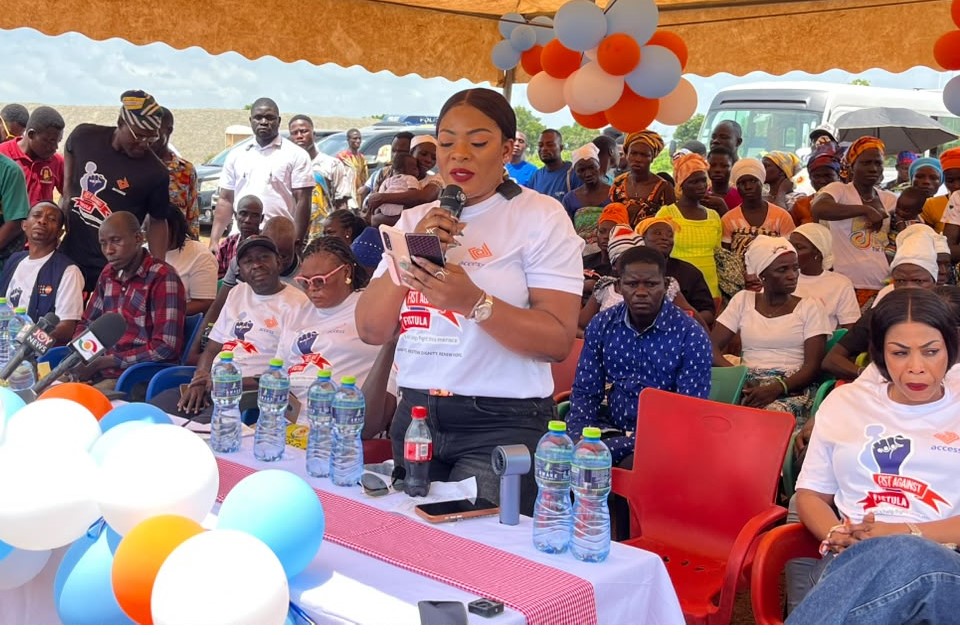
Speaking to Zaa News, Beverlyn Quaynor, Group Head for Commercial Banking and President of the Access Women Network, urged women living with fistula to come forward and seek assistance rather than suffer in silence.
She also encouraged women to support one another and appealed to the public to avoid stigmatising affected persons, stressing the need for compassion, understanding and collective responsibility.
Miss Janet, a student of the Tamale Nursing and Midwifery Training College, said the campaign was aimed at sensitising the public on fistula, its causes and preventive measures.
She emphasised the importance of public education to encourage women to seek skilled maternal healthcare and help prevent complications associated with childbirth.
Sulemana Mohammed, a Member of the Students Representative Council (SRC), called on men, including husbands and boyfriends, to support women who develop fistula.
He said men had an important role to play in providing emotional, financial and practical support to affected women, particularly as they undergo treatment and recovery.
Some beneficiaries who shared their experiences expressed gratitude to Access Bank Ghana and UNFPA for their continued support.
They encouraged other women living with fistula not to hide their condition but to seek help and take advantage of available support services.
The campaign forms part of broader efforts to promote maternal health, improve public understanding of obstetric fistula and ensure that affected women receive appropriate treatment and support without discrimination.
Source: Ibrahim Angaangmeni Alhassan /zaaghana.com
