


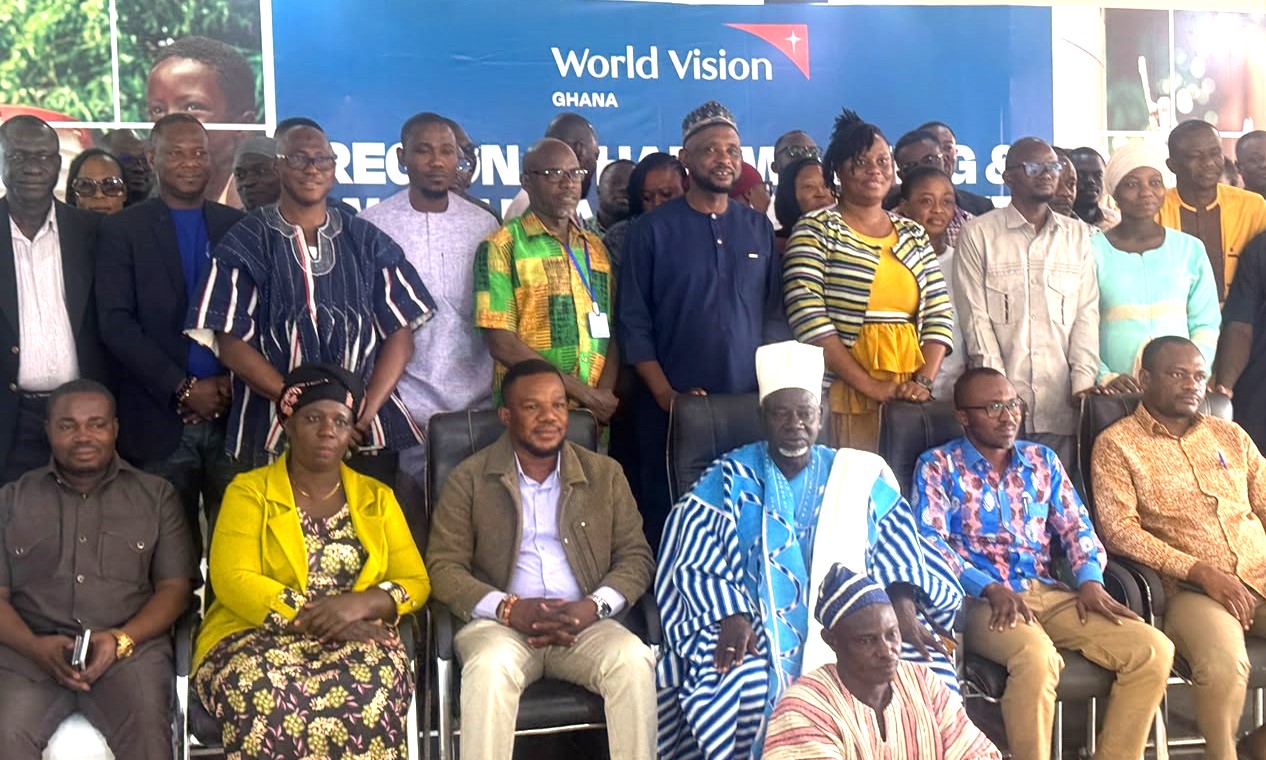
Water, Sanitation and Hygiene (WASH) sector stakeholders in the Northern and Savannah regions are calling for increased domestic resource mobilization to sustain activities in the sector amid declining and uncertain donor support.
They say the withdrawal of major development partners, including the United States Agency for International Development (USAID), has exposed funding gaps, making it necessary for government and other stakeholders to prioritize domestic financing for WASH interventions.
The stakeholders identified inadequate investment, insufficient funding and the low prioritization of WASH activities as major challenges undermining efforts to improve sanitation in communities, schools and healthcare facilities.
The concerns emerged at a Regional Hand Hygiene and WASH Leadership Summit organized by World Vision Ghana to discuss strategies for improving hygiene practices and strengthening leadership in the sector.
During a panel discussion, participants expressed concern over the low level of government investment in WASH, with historical allocations reportedly standing at about one per cent.
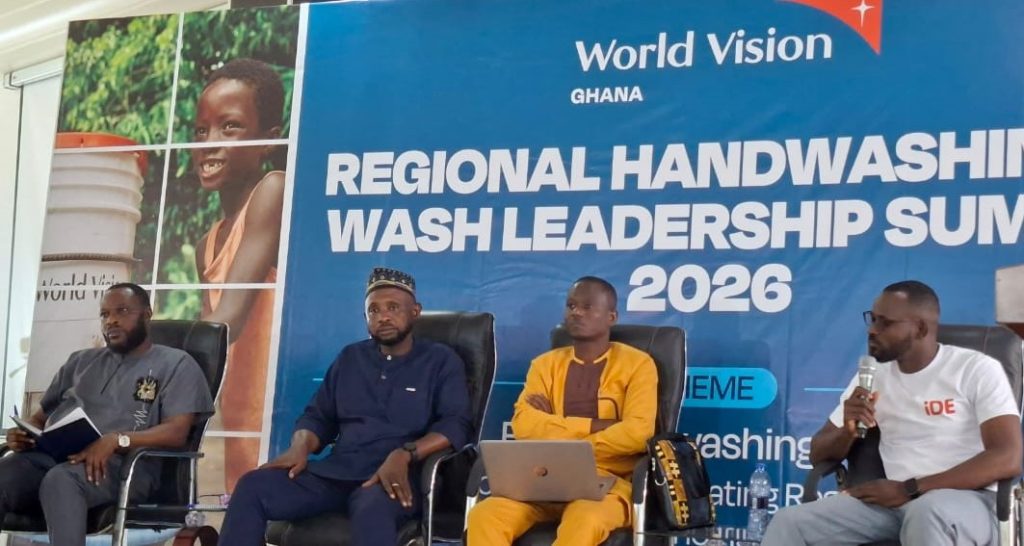
They warned that the funding shortfall was contributing to poor sanitation and increasing the risk of sanitation-related diseases in the two regions.
The Regional Environmental Health Programmes Officer Bouri Yahaya disclosed during his presentation that seven out of every ten-outpatient department (OPD) cases, including typhoid, were linked to sanitation-related diseases, underscoring the urgent need for increased investment in preventive health and environmental sanitation.
As part of efforts to address the challenges, World Vision Ghana is implementing a four-year project known as Universal Service Coverage (USC) in Kpandai, Zabzugu, East Gonja and West Gonja districts.
The project seeks to improve WASH services in 316 basic schools and 60 healthcare facilities. Stakeholders also called for the development of local WASH entrepreneurs to produce affordable and accessible hygiene facilities, including Veronica buckets. They further advocated a clear and sustainable sanitation strategy for urban communities to ensure consistent and long-term improvements.
Speaking at the summit, World Vision Northern Regional Operations Manager, Mr Rexford Bugre, called for strong institutional leadership to translate national and regional priorities into practical actions at the district and community levels.

He said hygiene must be integrated into development plans, health systems, schools and institutional programmes, with clear responsibilities and accountability for results. Mr Bugre stressed that achieving universal access to hand hygiene required sustainable financing and investment beyond public awareness campaigns. “We must mobilize domestic resources, strengthen public-private partnerships, explore innovative financing mechanisms and encourage the private sector to invest in sustainable hygiene infrastructure and services,” he said.
On climate resilience and innovation, Mr Bugre urged stakeholders to promote appropriate and resilient technologies, strengthen water management systems and invest in solutions capable of withstanding environmental shocks, while ensuring that vulnerable populations were not left behind.
He reaffirmed World Vision Ghana’s commitment to partnerships with government institutions, the Community Water and Sanitation Agency (CWSA), development partners, humanitarian organizations, the private sector, academia, civil society and local communities to improve WASH services.
Waste management expert and chairman of the summit, Gbanyemli Naa Professor Abdul-Rahaman Issahaku, called for a change in public attitudes towards environmental sanitation.
He urged politicians to collaborate with traditional authorities, stressing that such partnerships were essential to achieving sustainable development and improving sanitation in communities.
For his part, East Gonja Municipal Chief Executive, Kassim Yazid Rabiu, pledged the assembly’s commitment to improving WASH facilities in 20 schools and 15 healthcare facilities.
Other partners at the summit also pledged their support towards improving sanitation and hygiene services in their respective areas.