


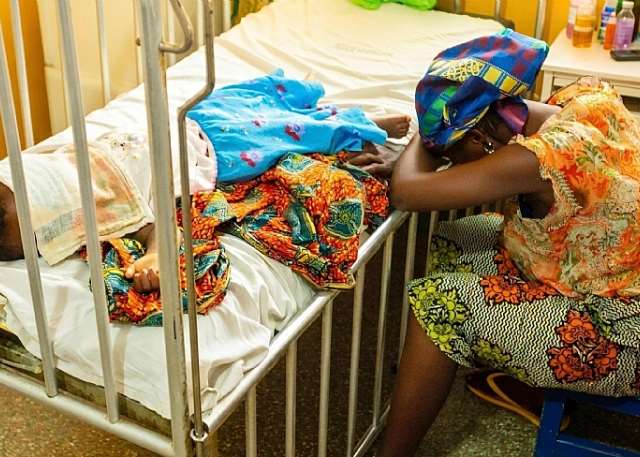
Climate experts and public health practitioners have identified climate change as an increasingly important factor influencing malaria transmission in Northern Ghana. While interventions such as malaria vaccination and Seasonal Malaria Chemoprevention have contributed to a decline in cases, changing weather patterns continue to create favourable conditions for mosquito breeding and disease transmission. Experts are therefore calling for a climate-informed approach to malaria prevention and control.
Northern Ghana is experiencing rising temperatures and increasingly unpredictable rainfall patterns, a situation experts say is reshaping the region’s disease landscape.
Scientific projections indicate that temperatures across the northern parts of Ghana could rise significantly by the end of the century, with minimum temperatures expected to increase more rapidly than daytime temperatures. At the same time, the region’s traditional weather cycle—characterized by a long dry season followed by a single rainy season—is becoming less predictable.
Delayed rainfall, prolonged dry spells, and intense rainstorms are now occurring more frequently, creating uncertainty for farmers, water resource managers, and public health authorities.

Climate Scientist at the University of Ghana, Professor Yaw Agyeman Boafo, says these changing climatic conditions have direct implications for malaria transmission.
According to him, heavy rainfall and flooding often leave behind stagnant water in drains, potholes, construction sites, and uncovered containers, providing ideal breeding grounds for mosquitoes.
Professor Boafo explains that warmer temperatures can accelerate mosquito growth and shorten the development cycle of malaria parasites within the insects, increasing the likelihood of disease transmission. However, he notes that excessively high temperatures can reduce mosquito survival rates, making the relationship between climate change and malaria more complex than commonly perceived.
Despite these climate-related risks, he says Ghana has made significant progress in reducing malaria infections through targeted interventions.
Among the most notable measures are the introduction of the malaria vaccine into the country’s routine immunization programme and the implementation of Seasonal Malaria Chemoprevention, which provides preventive treatment to children under five years during peak transmission periods.
A Public Health Nurse at the Tamale Teaching Hospital, Mohammed Hudu, says the malaria vaccine has become an important tool in protecting children against severe malaria and reducing illness-related complications.
He adds that Seasonal Malaria Chemoprevention has also helped lower malaria cases in many communities by providing preventive medication to vulnerable children during the rainy season when transmission rates are highest.
However, Mohammed Hudu cautions that climate change continues to influence malaria trends across Northern Ghana.
According to him, increased rainfall and flooding often result in the formation of stagnant pools of water that serve as breeding sites for mosquito larvae, leading to larger mosquito populations and increased transmission.
He further explains that temperatures around 35 degrees Celsius create favourable conditions for malaria parasites to develop within mosquitoes, while temperatures above that threshold may reduce mosquito survival. The increasingly unpredictable timing of seasonal changes also makes it difficult for communities and health authorities to accurately anticipate periods of heightened malaria risk.
Communities are also facing additional challenges in preventing malaria amid changing environmental conditions.
Flooding frequently damages roads and disrupts access to healthcare services, while prolonged heat waves encourage some residents to sleep outdoors without insecticide-treated mosquito nets, increasing their exposure to mosquito bites.
Climate-related economic hardships can also limit households’ ability to purchase mosquito repellents and other preventive materials.
To address these challenges, experts are calling for stronger collaboration among health authorities, local assemblies, environmental agencies, and the Ghana Meteorological Agency to improve early warning systems and preparedness measures.
They recommend integrating weather and climate data into malaria surveillance systems, strengthening drainage maintenance, improving waste management practices, regulating construction activities that create breeding sites, and intensifying public education on environmental sanitation.
Mohammed Hudu also emphasizes the need for continuous community health education and improved access to healthcare services, particularly for vulnerable populations living in high-risk areas.
Experts stress that climate change is not the sole factor driving malaria trends in Northern Ghana. However, they agree that it is becoming an increasingly significant risk factor that must be incorporated into disease prevention strategies.
They say sustaining gains made in malaria control will require stronger health surveillance systems, improved sanitation, effective urban planning, community awareness campaigns, and climate-informed public health interventions.
As Northern Ghana continues to experience changing weather patterns, stakeholders believe that a coordinated response linking climate science and public health will be crucial to protecting vulnerable communities and sustaining progress in the fight against malaria.Source: Dr. Khadijah Yamyiya Seidu/zaaghana
