
ActionAid Ghana has called on Metropolitan, Municipal and District Assemblies (MMDAs) in the Northern Region to intensify efforts to address water, sanitation and hygiene (WASH) challenges confronting communities and schools.
The organization pledged its continued support towards improving access to WASH facilities in schools within its operational areas and urged government institutions and local authorities to prioritize investments in the sector.
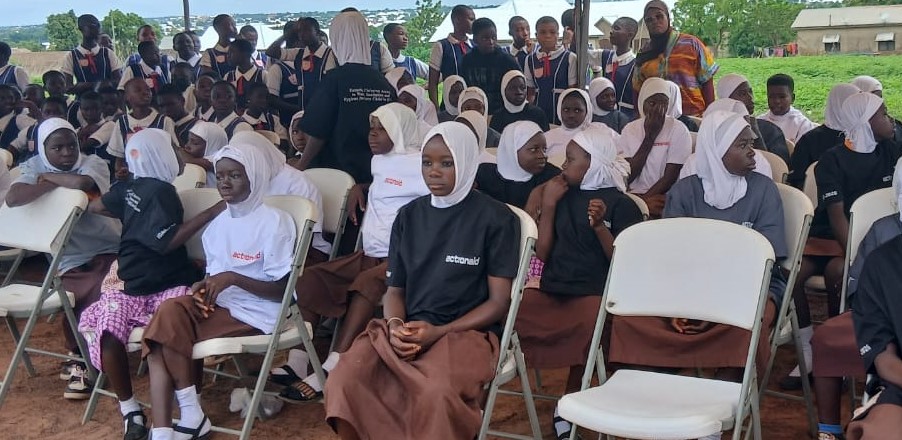
Speaking during the celebration of the 2026 International Day of the African Child at the Sagnarigu Girls’ Model School, the Northern Region Programmes Manager of ActionAid Ghana, Beatrice Yanman, expressed concern over the impact of inadequate water and sanitation facilities on children’s education and wellbeing.
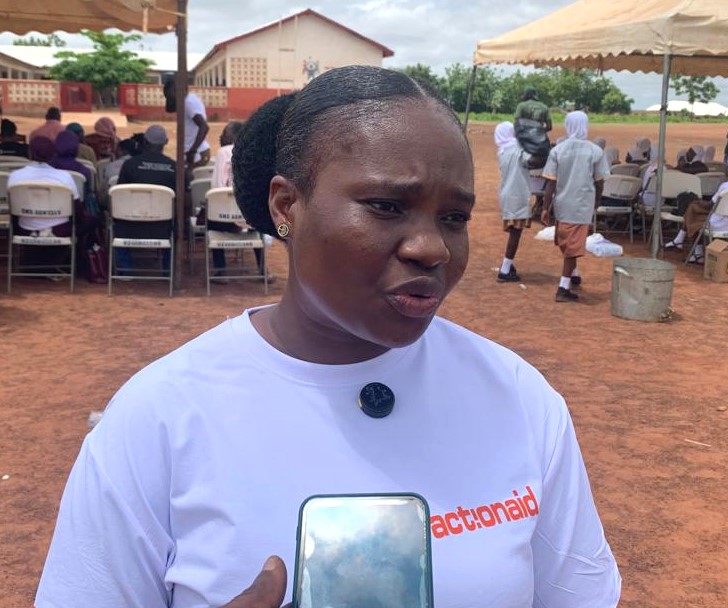
She noted that many children continue to spend valuable learning hours searching for water instead of being in the classroom.
According to a joint report by the UNICEF and the World Health Organization, about 190 million children in Africa lack access to safe drinking water, while approximately 240 million children do not have access to safely managed sanitation services. Additionally, about 160 million children lack basic hygiene facilities.
The report further indicates that nearly 1,000 children under the age of five die daily across Africa from diarrhoea and other water-related infections.
Madam Yanman said the situation in Ghana remains worrying, with one in every three households lacking access to basic water services. She stressed that poor sanitation continues to expose children to serious health risks, making it imperative for government and stakeholders to take urgent and deliberate action.
“Access to safe water, adequate sanitation and proper hygiene is not a privilege but a fundamental human right necessary for the survival and development of every child,” she stated.
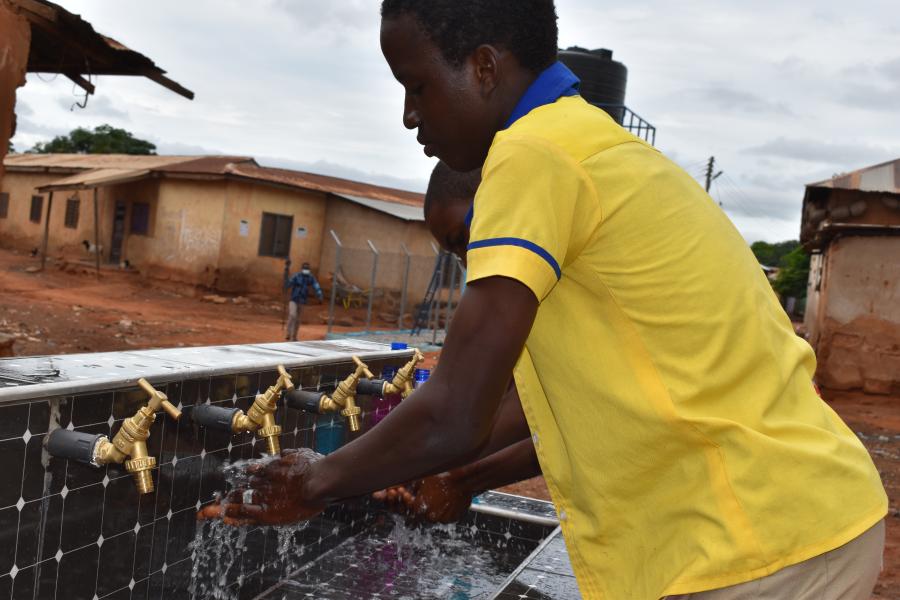
She explained that ActionAid Ghana has been supporting vulnerable communities in the Sagnarigu Municipality, Tamale Metropolis, and Nanumba North and South districts with mechanized boreholes, four-seater institutional toilet facilities and water storage tanks to improve sanitation and access to potable water.
According to her, improved WASH facilities particularly benefit girls by enabling them to attend school regularly and remain focused on their studies.
Madam Yanman called on communities, assemblies, development partners and civil society organizations to work together to ensure that no child is forced to choose between attending school and fetching water.
Representing the Paramount Chief of Sagnarigu, Sagnarigu Kpema Lana, assured stakeholders of the traditional authority’s commitment to promoting proper sanitation in schools and communities.
He pledged the palace’s readiness to collaborate with organizations operating in the WASH sector to address sanitation challenges. He also appealed to parents to discourage their children from engaging in drug abuse, warning that it could destroy their future prospects.
The Sagnarigu Municipal Chief Executive, Abdulai Imoro Gong, acknowledged that access to water, sanitation and hygiene is a fundamental right of every child.
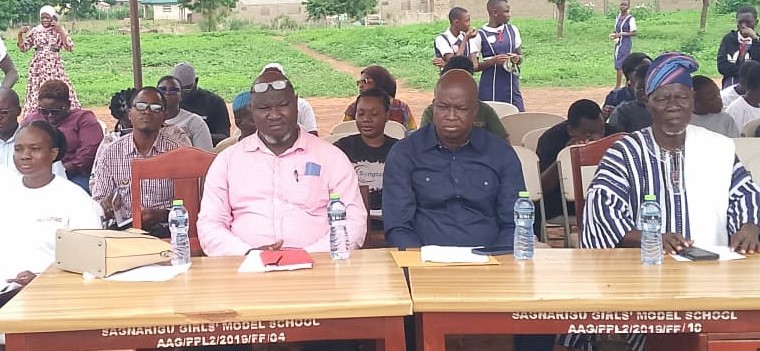
He said the Assembly recognizes the critical role WASH plays in enhancing teaching and learning and remains committed to addressing challenges within the municipality.
Responding to a petition presented by students, the MCE assured them that the Assembly would construct a borehole for the school by September 2026. He also promised to provide five waste bins to the school before the end of June and indicated that the school’s request for a perimeter fence would be considered in the Assembly’s mid-year budget review.
The Northern Regional Director of the Department of Gender, Bushira Alhassan, urged students to become ambassadors for environmental cleanliness by discouraging indiscriminate disposal of waste in their communities.
She advised students to carry drinking water to school to reduce the risk of consuming contaminated water.
Also addressing the gathering, the Northern Regional Director of the Department of Children, Iddrisu Sunday, described inadequate water supply and poor sanitation in the Sagnarigu Municipality as sad reality.
“As a resident of Sagnarigu, I can attest that the students’ drama presentation accurately reflected the water and sanitation challenges facing the municipality,” he remarked.
Mr. Sunday expressed concern about the persistence of open defecation and the lack of household toilet facilities. He appealed to the Assembly to enforce regulations requiring landlords to provide toilets in residential homes.
He further criticized indiscriminate waste disposal practices and urged residents to adopt responsible sanitation habits.
The Principal Investigator and Public Education Officer at the Northern Regional office of the Commission on Human Rights and Administrative Justice, Inusah Iddrisu, warned that inadequate access to water could expose schoolgirls to sexual abuse and exploitation.
He noted that some girls, particularly in the evenings, travel long distances or visit unfamiliar homes in search of water, making them vulnerable to rape and defilement.
Mr. Iddrisu encouraged students to avoid littering, especially by improperly disposing of empty sachet water wrappers, which contribute to environmental pollution.
A representative of Norsaac, Bernice Ayonab, called for a change in public attitudes toward waste management. She encouraged schoolchildren to serve as advocates for cleanliness not only in schools but also in their homes and communities.
This year’s International Day of the African Child celebration highlighted the urgent need for improved investment in water, sanitation and hygiene services to safeguard children’s health, education and overall development.