

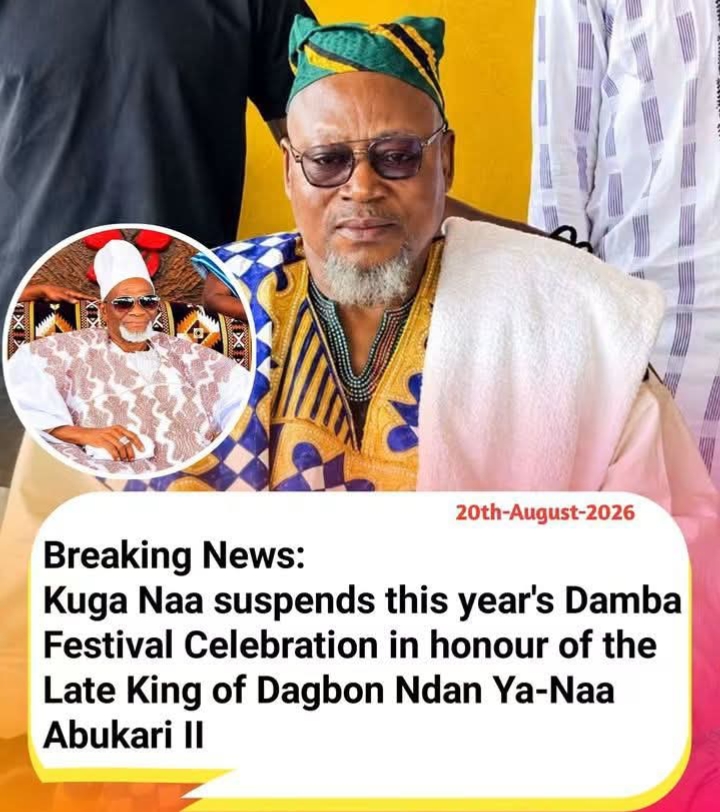
Dagbon Kingdom suspends this year’s Damba Festival in honour of late Yaa-Naa Abubakari Mahama II

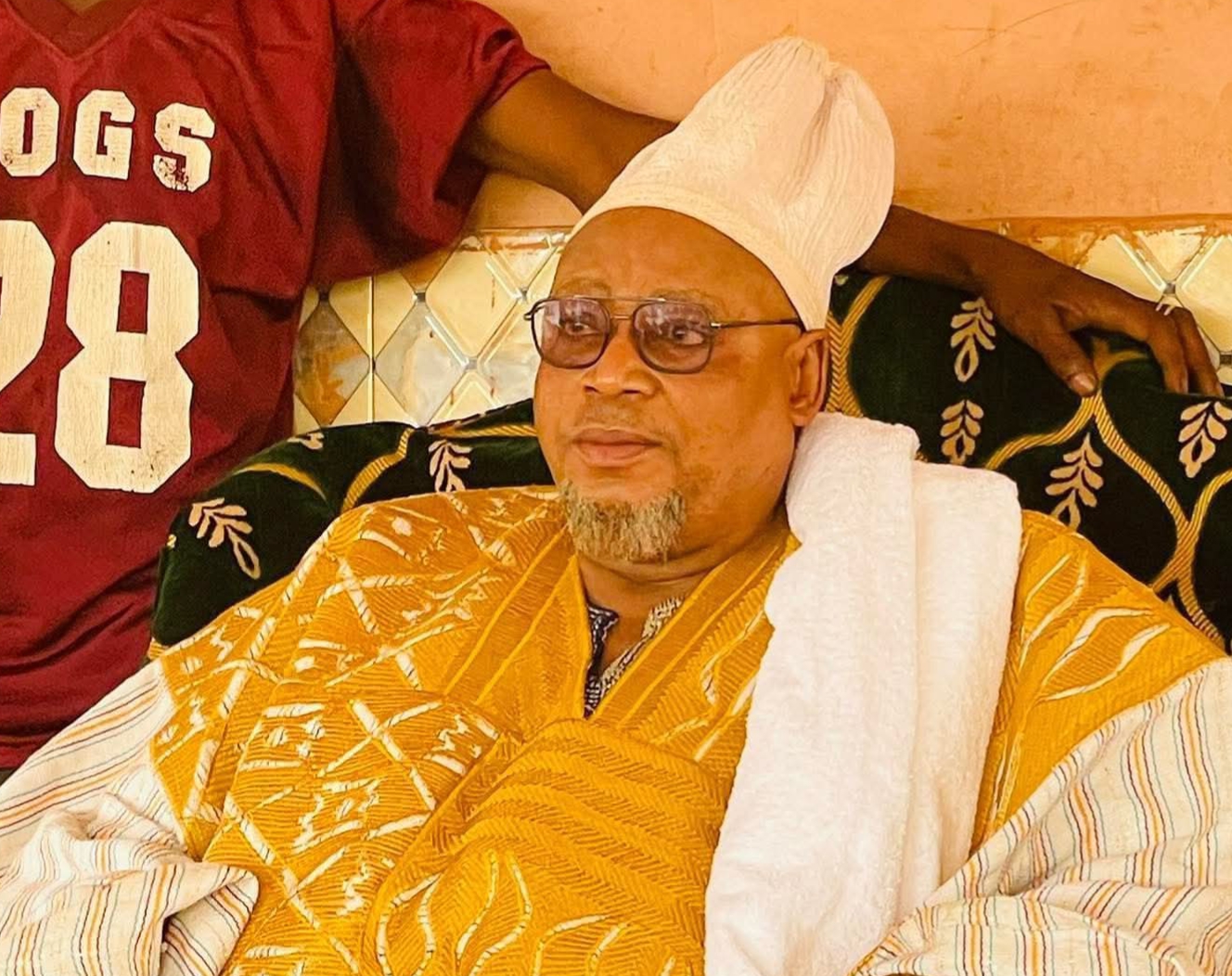
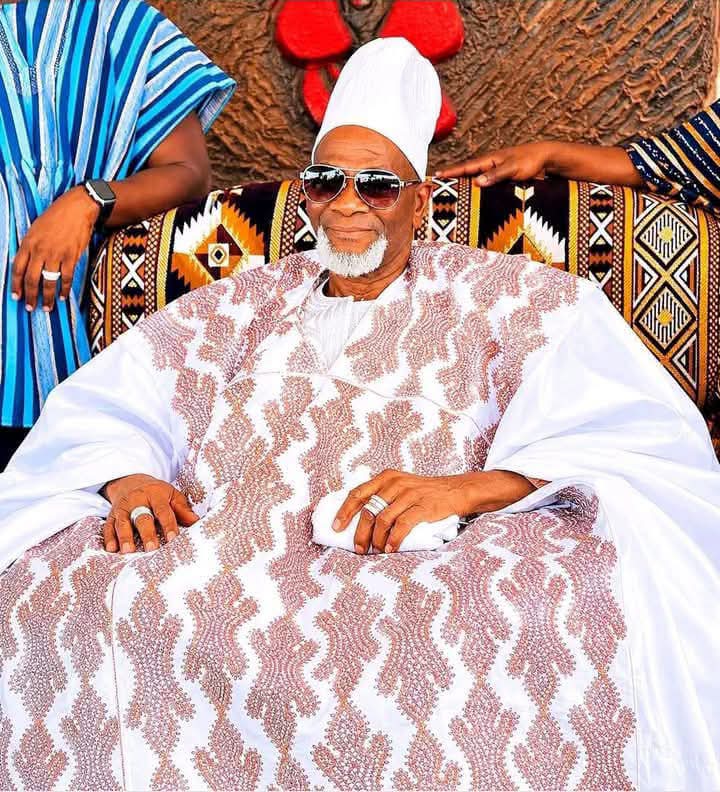
The Dagbon Kingdom has suspended this year’s Damba Festival in honour of the late Yaa-Naa Abubakari Mahama II, who passed away on July 11, 2026, after seven years of reign as the Overlord of Dagbon.
The decision forms part of the traditional mourning arrangements following the death of the revered king and is intended to allow the people of Dagbon to observe the appropriate customs and traditions associated with the passing of a Yaa-Naa.
The suspension was announced by the Head of the Dagbon Kingmakers, Naa Yeb Kug’naa Adam Abdulai, who indicated that the decision reflects the solemn mood of the Kingdom as it mourns the late Overlord.
The announcement means that the usual official celebrations associated with the Damba Festival will not take place across the Dagbon Kingdom this year. The decision is expected to affect the traditional festivities, public celebrations and royal activities that normally accompany the annual festival.
Damba remains one of the most important and widely celebrated cultural festivals in Dagbon. It brings together chiefs, elders, families, communities and visitors in a colourful celebration of Dagbon’s rich history, culture and traditional institutions.
The festival is traditionally characterised by drumming, dancing, horse processions, traditional performances and a series of royal and customary ceremonies. At the centre of the celebrations is the Yaa-Naa, whose participation gives the festival much of its traditional and symbolic significance.
Beyond its festive character, Damba serves as an important occasion for the people of Dagbon to reaffirm their cultural identity, strengthen bonds of unity and preserve customs handed down through generations. The festival also provides an opportunity for traditional authorities and communities to showcase Dagbon’s distinctive cultural heritage to visitors from across Ghana and beyond.
The suspension therefore represents a significant departure from the usual annual cultural calendar of Dagbon. It underscores the seriousness with which the Kingdom is observing the passing of Yaa-Naa Abubakari Mahama II.
The late Yaa-Naa’s death has placed Dagbon in a period of mourning, reflection and customary observance. His seven-year reign was a significant chapter in the history of the Kingdom, and his passing has generated expressions of grief among chiefs, elders, political leaders, residents and the wider Dagbon community.
During this period, traditional protocols surrounding the death of the Overlord are expected to take precedence over major public festivities. The suspension of Damba is therefore seen as part of the broader process through which Dagbon honours its departed king and allows the traditional authorities to undertake the necessary customary responsibilities.
The decision also highlights the deep connection between Dagbon’s traditional festivals and its chieftaincy institution. While Damba is celebrated by communities throughout the Kingdom, the festival is closely linked to the authority and presence of the Yaa-Naa. In the absence of the late Overlord and during the period of mourning, the Kingdom has chosen to suspend the celebrations in keeping with tradition.
The people of Dagbon are consequently expected to observe the period with the dignity and respect traditionally accorded to the passing of a Yaa-Naa. Communities, chiefs and residents are encouraged to respect the directives of the traditional authorities as the Kingdom continues with its mourning and customary processes.
The suspension of this year’s Damba Festival will undoubtedly leave a significant cultural and social void, particularly for communities that traditionally look forward to the annual celebrations. However, the decision reflects the Kingdom’s determination to uphold its customs and place the honouring of the late Overlord above the celebration of the festival.
As Dagbon mourns Yaa-Naa Abubakari Mahama II, the suspension of Damba serves as a solemn reminder of the importance of traditional authority, cultural continuity and respect for the customs governing the Dagbon Kingdom.
For now, the drums of Damba will remain silent, the colourful horse processions will not take place, and the usual festive gatherings will give way to mourning and reflection as Dagbon pays tribute to its departed Overlord.
By: Wahabu Zaa – Abdul Wahab Yumzaa Yakubu I zaaghana.com | Zaa News Reporter
