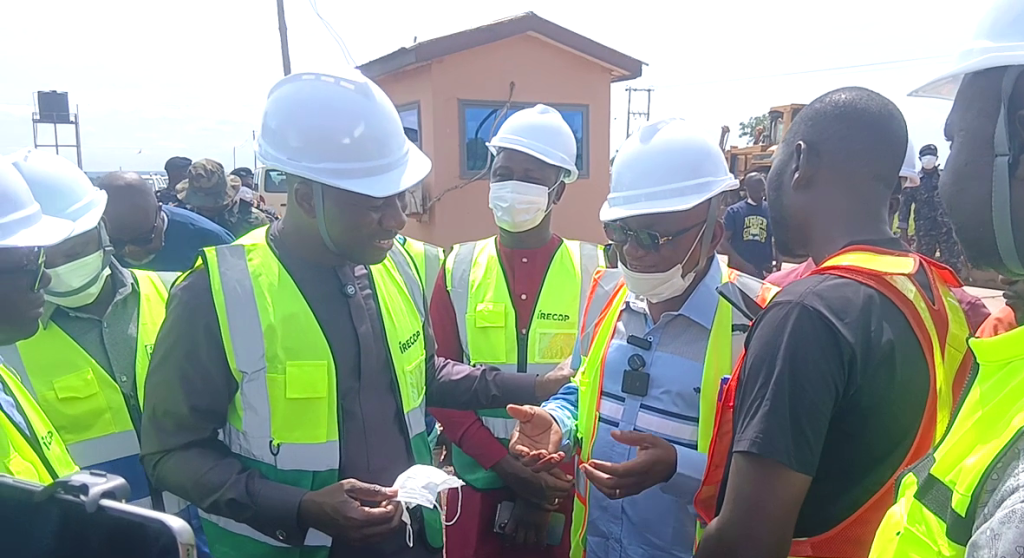


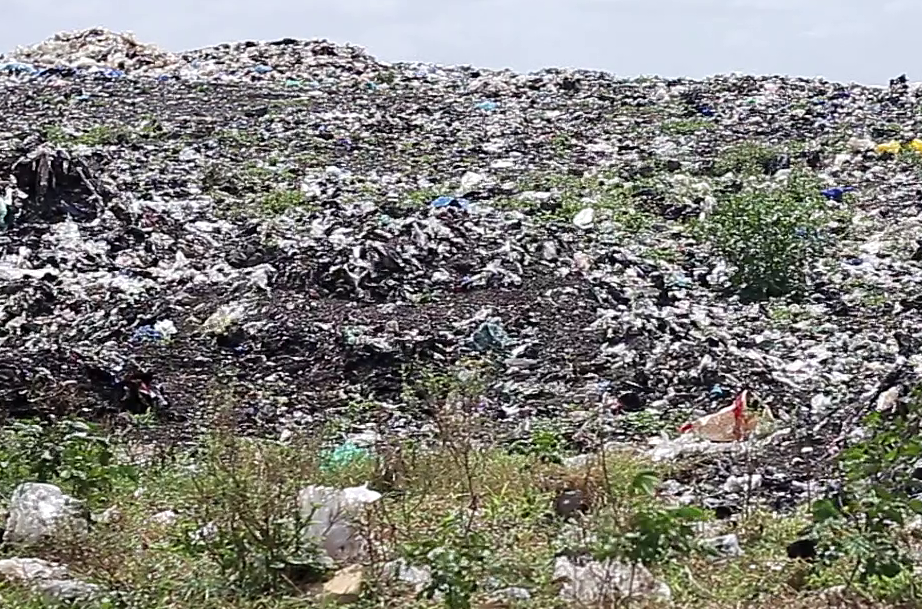
The Ministry of Local Government, Chieftaincy and Religious Affairs has announced plans to construct waste transfer stations in major cities, including Tamale, as part of measures to improve waste management and sanitation.
The proposed transfer stations will serve as collection points where waste collected from households and communities by tricycles will be transferred onto larger trucks for transportation to landfill sites.
The sector minister, Mahama Ayariga, announced the plan during a working visit to the Tamale landfill site at Gbalaha.
Speaking to the media at the landfill site, the local government, rural development, chieftaincy and religious affairs minister, Mahama Ayariga said, the current system, where tricycles travel long distances to dispose of waste at landfill sites, is contributing to the poor sanitation situation in major cities.
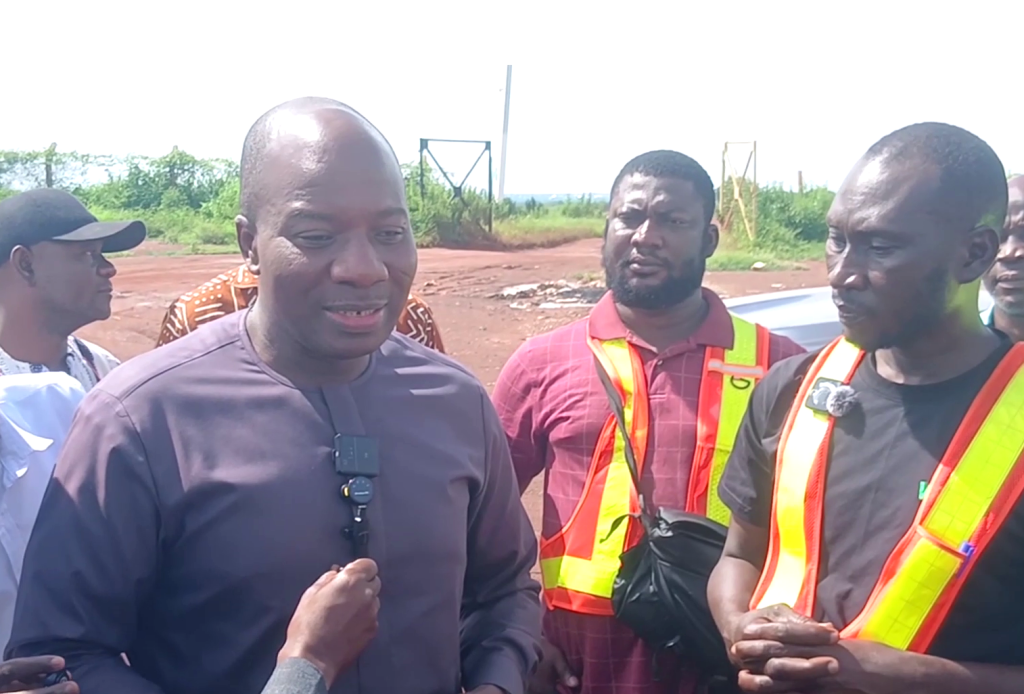
He explained that the transfer stations would reduce the distance travelled by tricycle operators and make waste collection more efficient.
Mr Ayariga said the assemblies must also acquire enough tricycles to collect waste from households and neighborhoods and transport it to the transfer stations. He also called on the public to separate waste at source, explaining that proper waste segregation could make waste management more efficient and reduce the cost involved.
The Minister said one of his major targets is to reduce the cost of waste management while ensuring that waste generated in communities is properly handled. He noted that tricycle operators currently incur significant costs transporting waste over long distances to landfill sites.
In Tamale, for instance, households pay about GH¢50 per month for waste collection, while the operators have to transport the waste approximately 11 kilometres to the landfill site.
Mr Ayariga said the high cost involved could compel some operators to dispose of waste indiscriminately rather than transport it to the designated landfill. He said the government is therefore considering measures to reduce the cost of waste collection by about 50 percent, with the state absorbing part of the cost.
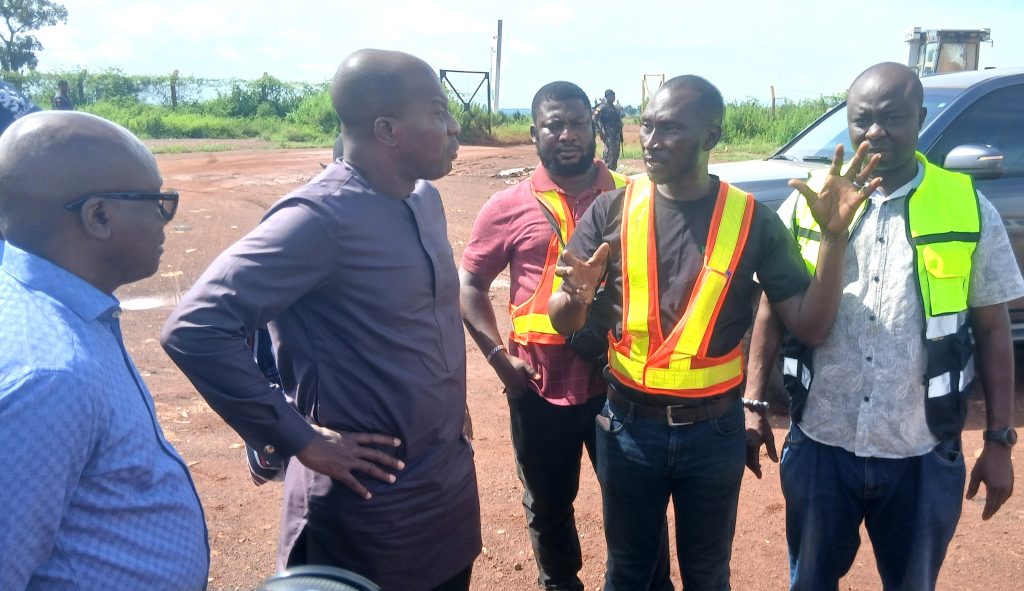
Mr Luriwei Hamid explaining landfill site operation to Hon. Ayariga
The move, he said, is intended to discourage residents from dumping waste into streams, gutters and other unauthorized places in the hope that rainwater will wash it away.
The Minister also disclosed that the Ministry is exploring the possibility of introducing electric-powered tricycles to reduce fuel consumption and lower the cost of waste collection. He said the government is discussing the proposed measures with Metropolitan, Municipal and District Chief Executives.
“Sanitation is a daily activity, no Sunday, no Monday,” the Minister said.
He explained that waste should no longer be viewed simply as a burden but as a resource that could generate value if properly managed.
The Minister said efficient waste management could generate enough revenue to subsidize the cost of sanitation, thereby reducing the financial burden on households.
He noted that the current inefficient waste management system has resulted in citizens bearing the full cost of managing waste.
The Minister said reducing the cost of waste management remains one of his key targets, adding that lower collection costs would encourage households to properly dispose of their waste.
He therefore urged Metropolitan, Municipal and District Assemblies to adopt innovative approaches to waste management and explore opportunities to turn waste into a resource.
On his part, the Officer in Charge of Liquid Waste at the Waste Department of the Tamale Metropolitan Assembly, Luriwei Hamid, said the Assembly does not directly manage the landfill site but performs a supervisory role over the private company responsible for its management.
He said the Tamale landfill receives between 300 and 450 tonnes of waste daily, underscoring the need for improved systems to manage the increasing volume of waste generated in the metropolis.