


The Ghana Revenue Authority, GRA, says taxation is the surest way of building a civilized society and providing essential social amenities. The Authority says citizens who desire improved public services and infrastructure must accept their civic responsibility by paying both direct and indirect taxes.
The GRA maintains that it does not impose or collect taxes based on its own discretion, but in accordance with laws passed by Parliament.
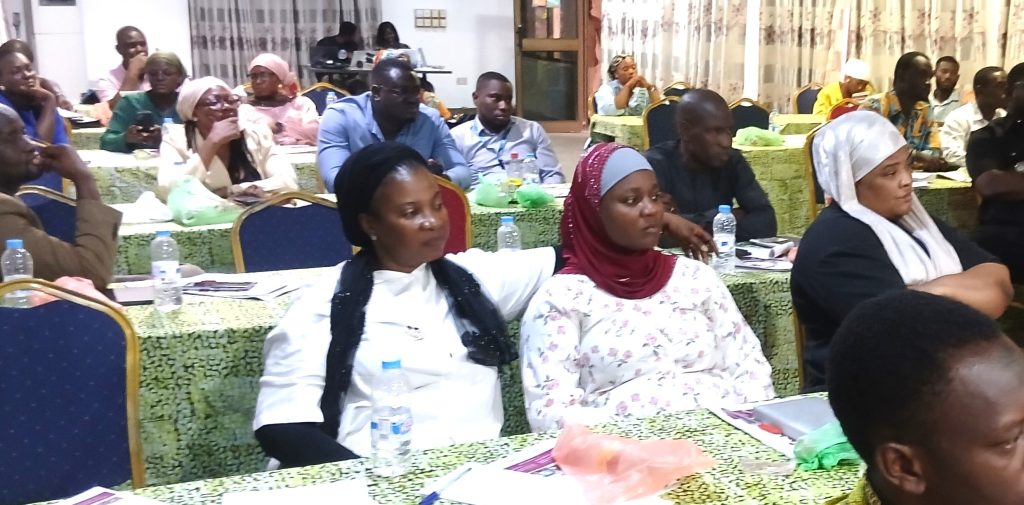
Officials of the GRA made the remarks at a regional forum on tax education and gender-responsive accountability mechanisms for market women, taxpayers, Metropolitan, Municipal and District Assemblies, MMDAs, and Civil Society Organizations, CSOs.
The forum organized by NORSAAC under its Democratic Dialogue for Progressive Taxation to tackle inequality in Africa.
The forum provided taxpayers with an opportunity to seek clarification on tax obligations and raise concerns about the operations of the Ghana Revenue Authority.
Some market women expressed frustration over the processes involved in filing their taxes and paying withholding tax. Manager of Masfak Investment, Hajia Fuseini Kande accused the GRA of what they described as unfair treatment and excessive tax demands, prompting officials to explain the procedures and legal basis for the various taxes.
The DD4PT project is funded by Oxfam in Ghana and implemented in Ghana, Kenya and Uganda.
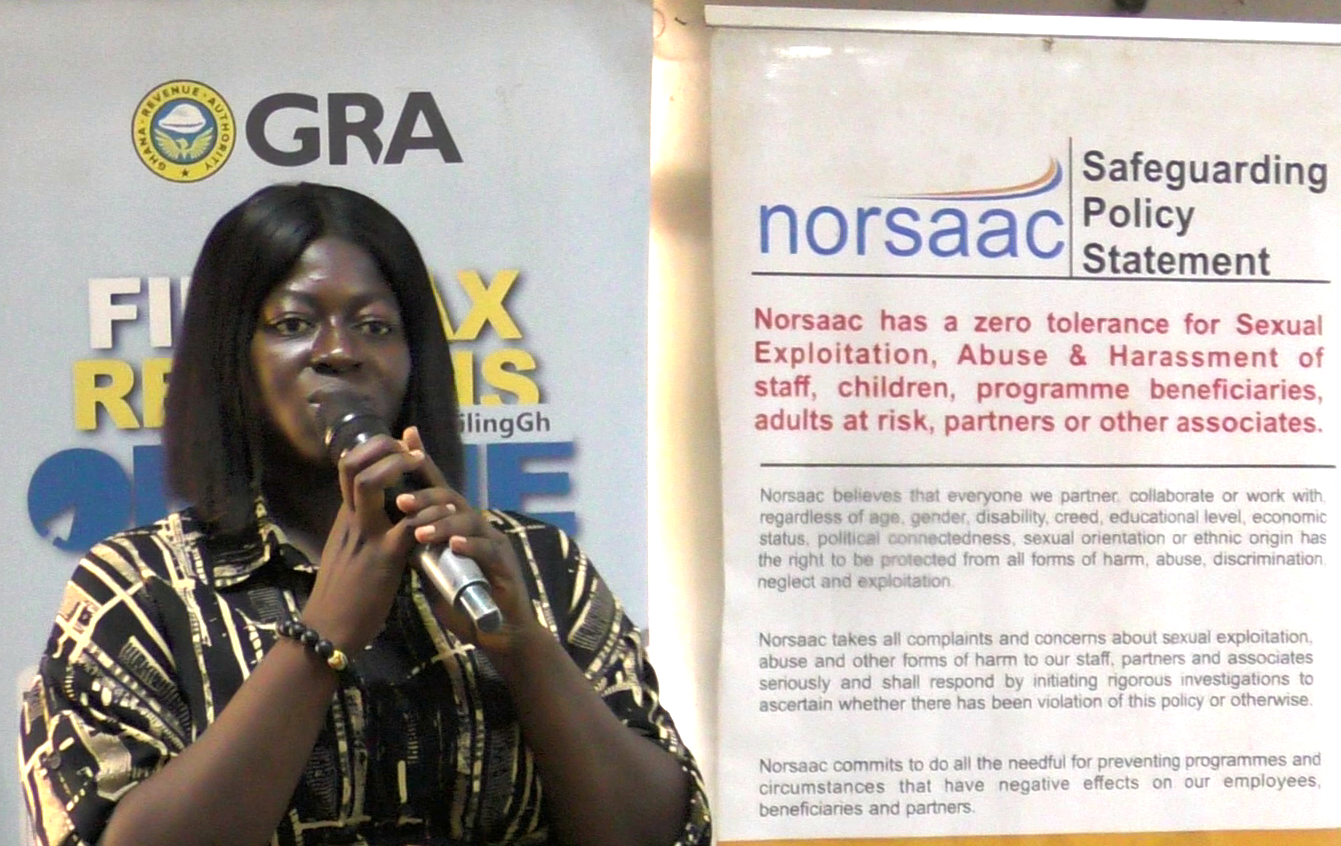
Presenting the overview of the project, project officer Bernice Ayonab explained that the gold is to promote progressive tax policies that help governments mobilize domestic resources and fund inclusive and gender-responsive public services.
According to her, evidence-based advocacy and policy dialogue: Strengthening civil society coalitions and creating platforms for interaction between citizens, policymakers, and revenue authorities, Media capacity and investigative journalism: to expose tax injustice, corruption, and illicit financial flows.
Journalists. She explained will receive specialized training and mentorship to produce impactful investigative stories on taxation, transparency, and accountability.
‘Citizen mobilization and regional advocacy through partnerships with trade unions and global coalitions campaigning for progressive taxation, including calls for a UN Tax Convention and stronger taxation of high-net-worth individuals’, Ms Ayonab stated.
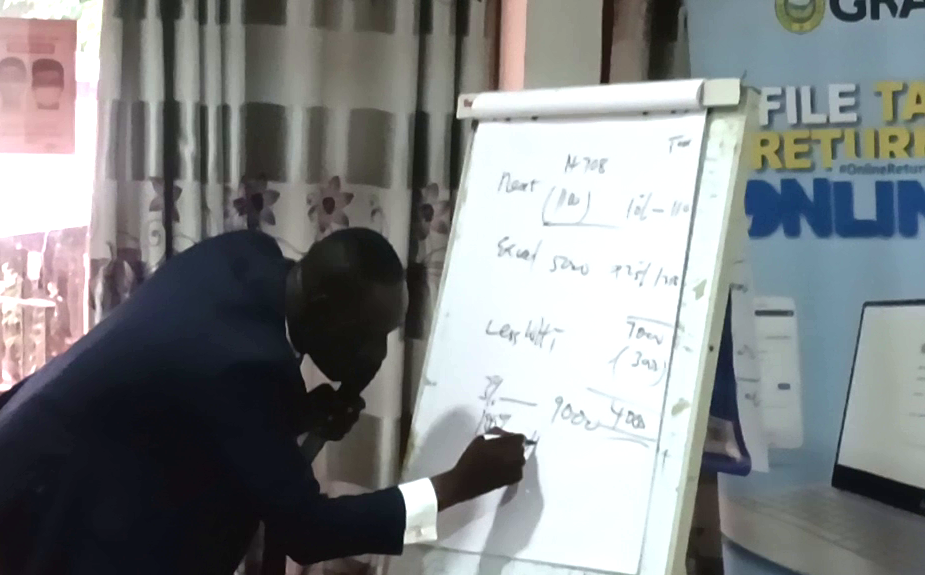
Presenting on the topic, “Honouring Tax Obligations: Accountable Mechanisms that Support Progressive and Gender-Responsive Taxation,” Revenue Officer at the GRA in the Northern Region, Solomon Damtar, acknowledged that individuals and businesses sometimes find it difficult to meet their tax obligations.
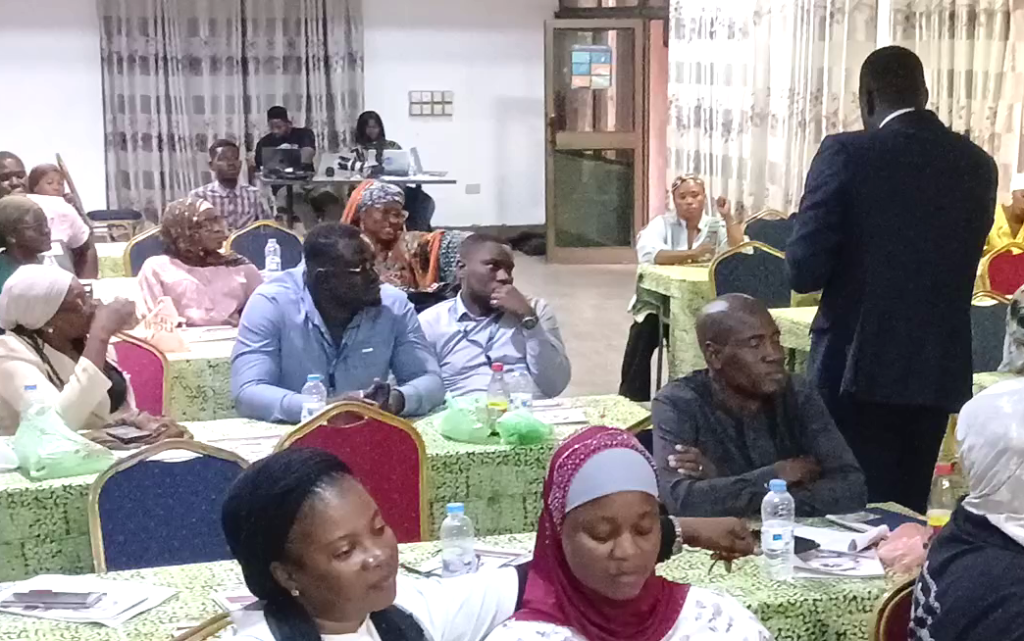
He, however, stressed that taxation remains a civic responsibility and a critical source of funding for national development. Mr. Damtar encouraged taxpayers to visit the nearest GRA office for clarification and assistance on their tax obligations.
He explained that the GRA only implements tax laws passed by Parliament and does not independently determine the taxes citizens are required to pay.
Mr. Damtar also urged citizens to engage their respective MMDAs and demand accountability on the use of public funds, including the portion of central government transfers allocated to local authorities.
Mr Solomon B. Damtar spoke to Zaa News. Responding to concerns about taxes, Senior revenue officer, Alhaj Baako Jagbo stated that once a citizen earns income, the law require the person to pay tax.
A member of Ghana offline community, Abubakari Ahmed Tijani while commending Norsaac for bringing stakeholders to understand importance of tax appealed to GRA to engaged young people on their tax policies and benefits associated with them.
