

Ghana’s Water Resources Commission has assured the public that the country’s groundwater resources remain generally safe despite increasing legal and illegal mining activities in several parts of the country.
Head of the White Volta Basin of the Commission, Mr. Jese Kazapoe, however, cautioned that continued mining and improper disposal of solid and liquid waste could contaminate groundwater if steps are not taken to protect the resource.
He said although Ghana has substantial groundwater reserves, some parts of the country have water quality challenges associated with substances such as iron, manganese, fluoride and arsenic.
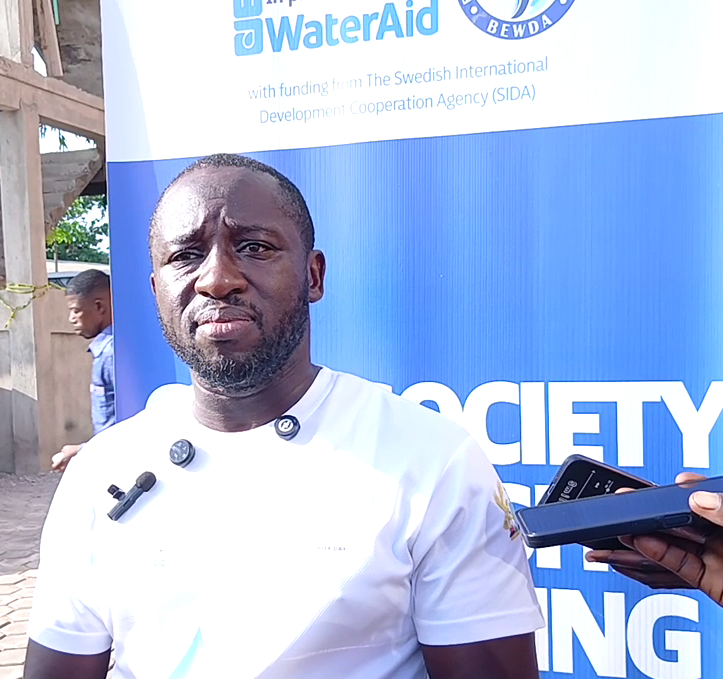
Mr. Kazapoe was speaking in response to questions from journalists on the sidelines of a three-day training programme for30- selected journalists from Northern, Upper East, Upper West, Savannah, Ashante and greater Accra Regions.
The training was organized by the Belim Wusa Development Agency (BEWDA), in partnership with WaterAid, with funding support from the Swiss Development Agency. Mr Jese explained that groundwater refers to water stored beneath the earth’s surface in aquifers, which is accessed through wells or boreholes, unlike surface water found in rivers, streams and other water bodies.
Mr. Kazapoe said the general quality of groundwater in the country remains good, but warned that the situation could change if human activities that pollute the environment continue unabated.
He cited mining activities in the northern part of the country, where gold deposits are found in hard rocks, as a potential threat to groundwater.
According to him, miners who work underground can encounter groundwater and contaminate it through the discharge of mining waste, lubricants and other pollutants, as well as poor sanitary practices.
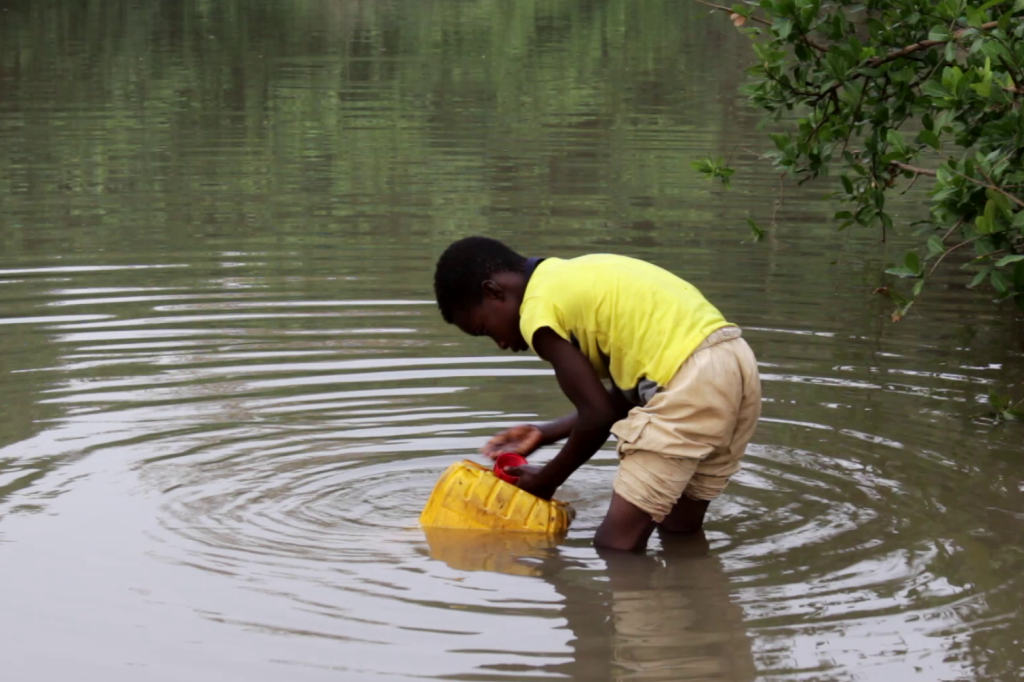
He said the Commission had already detected some areas where water samples contained heavy metals and other substances that had previously not been found in those locations. Mr. Kazapoe stressed that every water resource in the country is under threat because pollution of surface water can eventually affect groundwater through percolation. He, however, assured that the country had not reached a stage where it could be said that groundwater reserves across Ghana were contaminated.
He urged stakeholders to intensify efforts to protect the resource, warning that the increasing activities of illegal mining and the indiscriminate discharge of solid and liquid waste could pose a serious threat to groundwater reserves.
BOREHOLE DRILLING
Mr. Kazapoe said drilling boreholes for commercial purposes requires a permit from the Water Resources Commission as part of its mandate to regulate and manage Ghana’s surface and groundwater resources. He explaine
d that individuals seeking to drill boreholes are not necessarily required to engage geologists themselves, but must use a valid drilling company licensed by the appropriate authorities and with a qualified hydrologist.
He added that persons who undertake commercial borehole drilling are required to register with the Commission to ensure proper regulation of groundwater development.
Water treatment and rainwater harvesting
On water treatment, Mr. Kazapoe said conventional water treatment systems are capital-intensive, making it necessary for households and institutions to explore alternative sources of water.
He encouraged households to adopt rainwater harvesting systems to supplement their water needs and reduce pressure on conventional water supply systems.
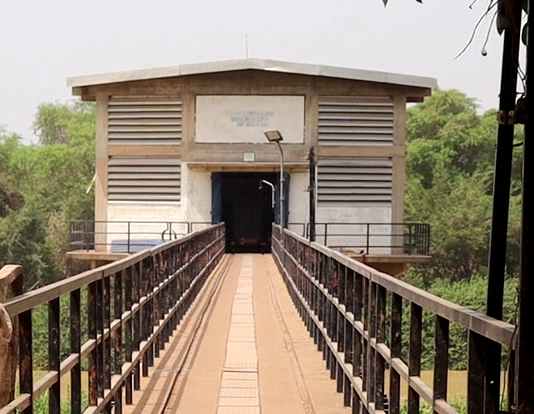
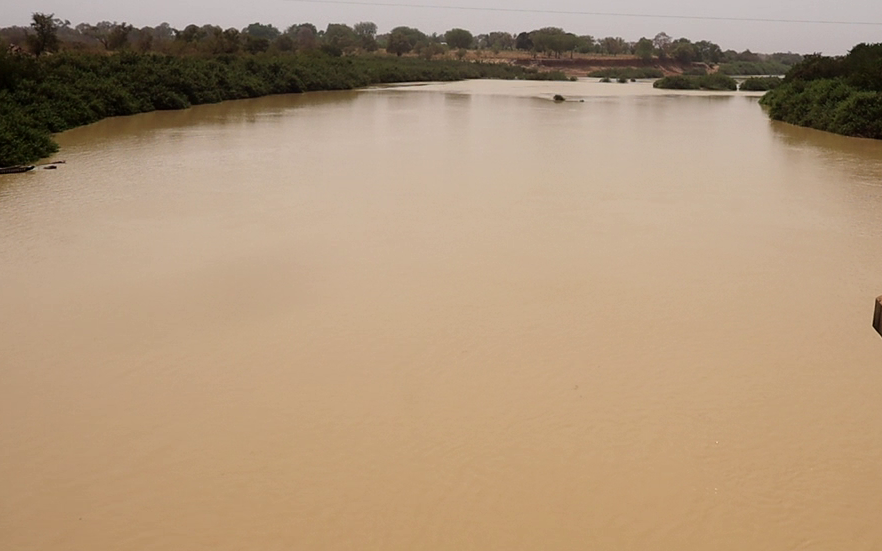
He cited Tamale as an example, explaining that although the metropolis is outside the White Volta Basin, it receives water from the White Volta through the Nawuni intake, while the Dalun Water Treatment Plant is located within the White Volta Basin.He therefore called for greater public awareness and responsible management of Ghana’s water resources to safeguard both surface and groundwater for present and future generations.