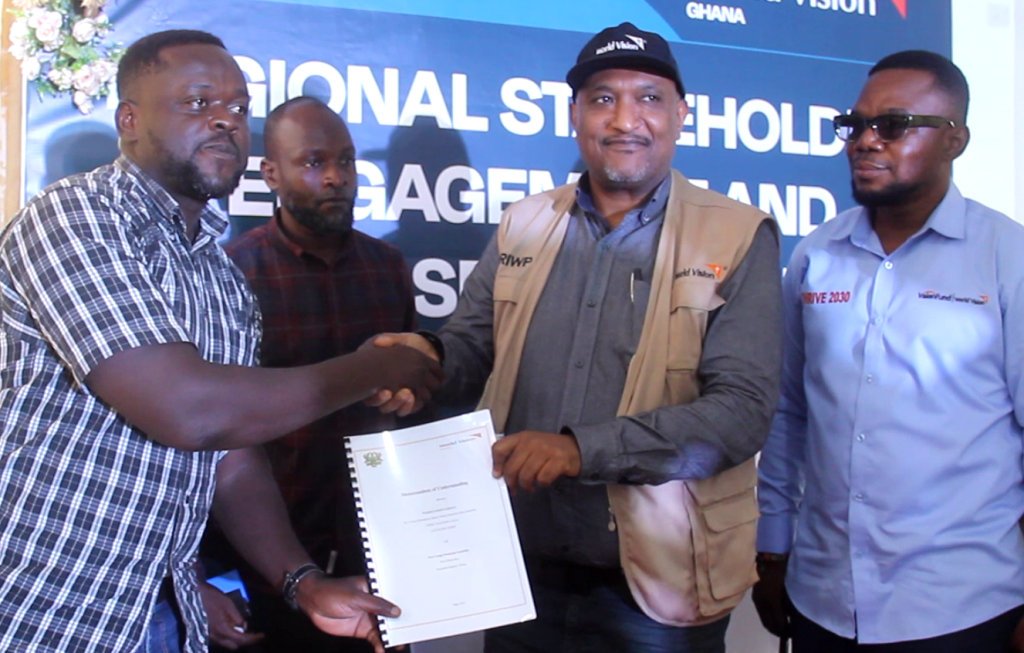


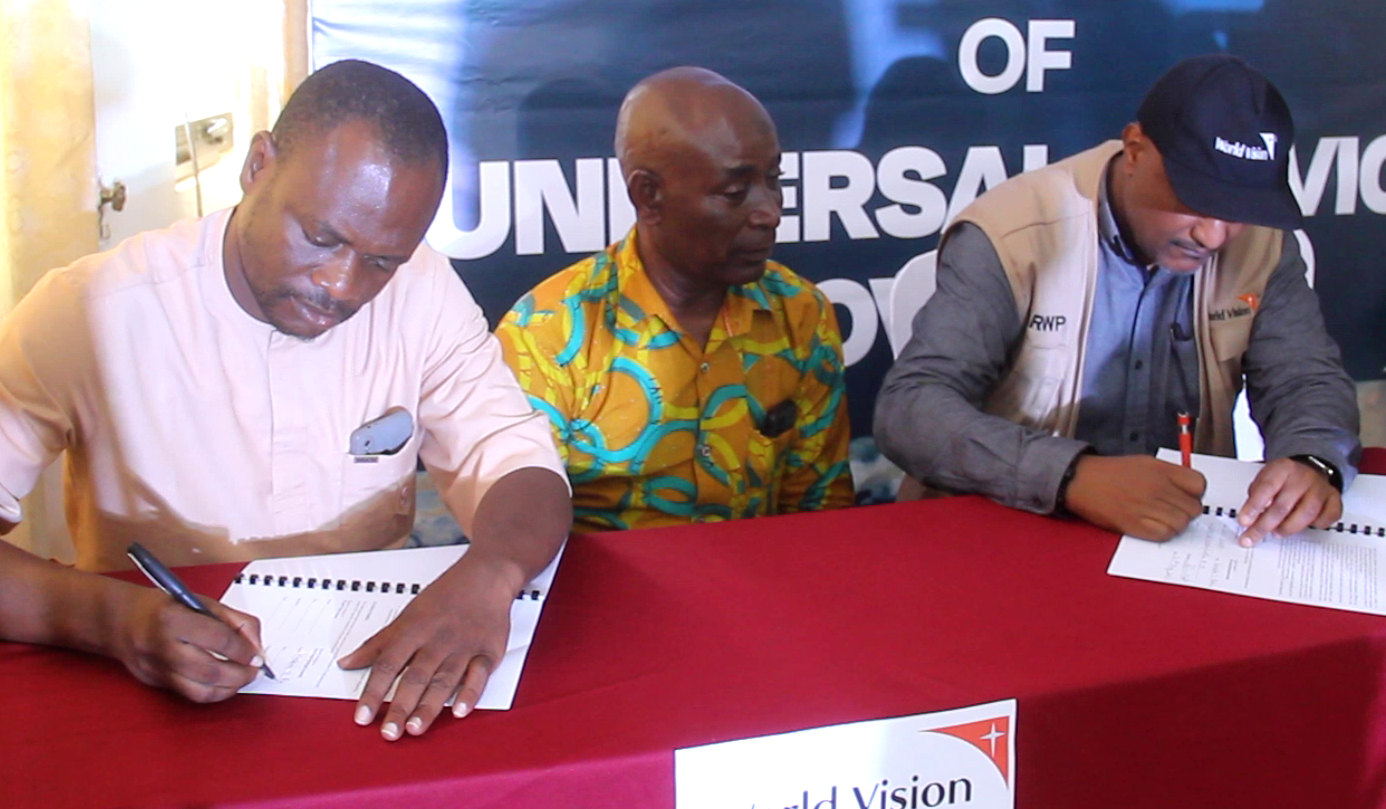
World Vision Ghana has signed a Memorandum of Understanding (MoU) with 23 Metropolitan, Municipal and District Assemblies (MMDAs) in the Northern and Savannah regions to improve water, sanitation and hygiene (WASH) services in basic schools and vulnerable communities.
The five-year agreement is expected to benefit more than 75,000 people through improved access to clean water, sanitation facilities and hygiene education.
The initiative forms part of the organization’s Universal Service Coverage Project aimed at addressing poverty and improving the wellbeing of children and rural communities.
Under the agreement, World Vision Ghana will integrate interventions in livelihood, food security, education and WASH to holistically address challenges confronting deprived communities.
The project also seeks to improve learning conditions in schools by ensuring children have access to safe water and sanitation facilities, thereby increasing contact hours in school. The MoU was signed in Tamale during a regional stakeholder engagement and dissemination forum held on the theme: “Mapping the Blue Thread.”
Presenting an overview of the Universal Service Coverage Project, WASH Manager, Cephas Wedam, said the agreement represents a collective commitment among World Vision Ghana, assemblies and stakeholders within the WASH sector to improve access to safe water and sanitation.
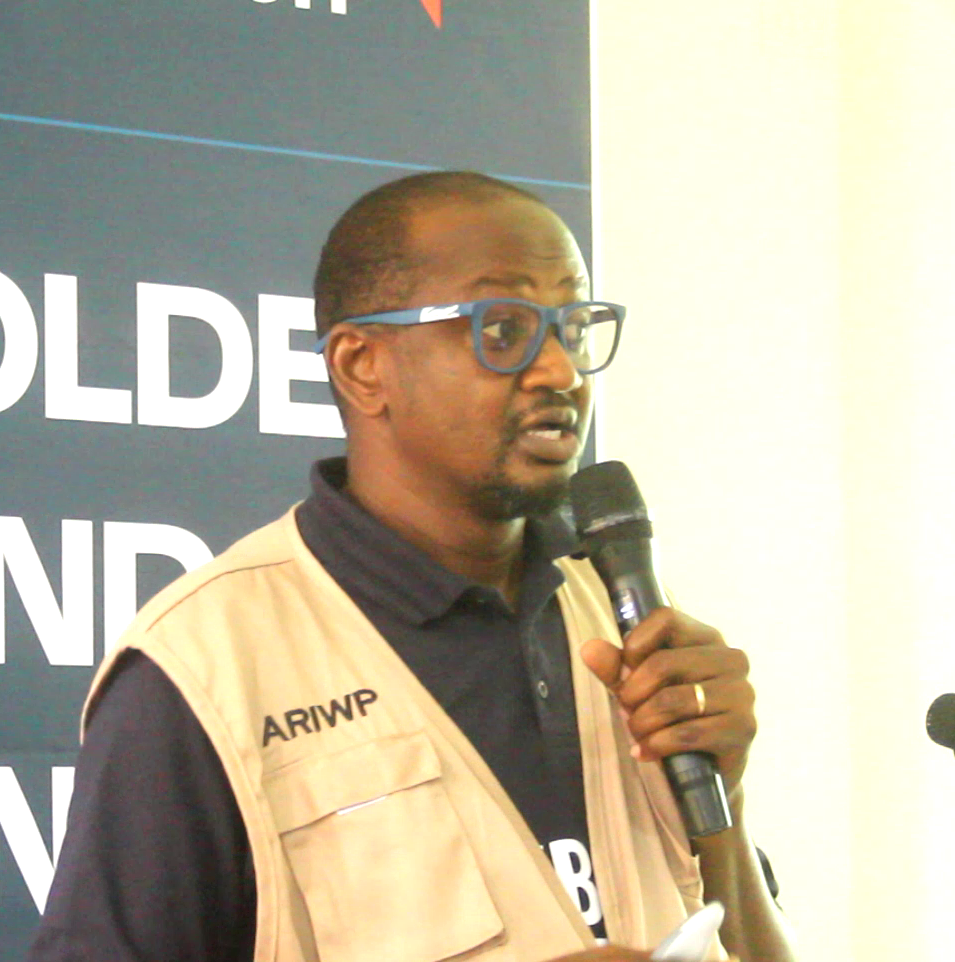
According to him, the collaboration between the assemblies and World Vision Ghana could help achieve about 90 percent WASH coverage in the targeted communities if all stakeholders remain committed to the implementation process.
Mr. Wedam therefore urged beneficiary assemblies to demonstrate strong commitment towards improving WASH services in their respective districts.
WASH Associate Director at World Vision Ghana, Robel Wamisho, stressed the need for stakeholders to intensify efforts towards achieving universal access to water and sanitation before the 2030 Sustainable Development Goals deadline. He disclosed that the organization is targeting about 700,000 people to gain access to safe water, while over 343,000 people are expected to benefit from improved sanitation services.
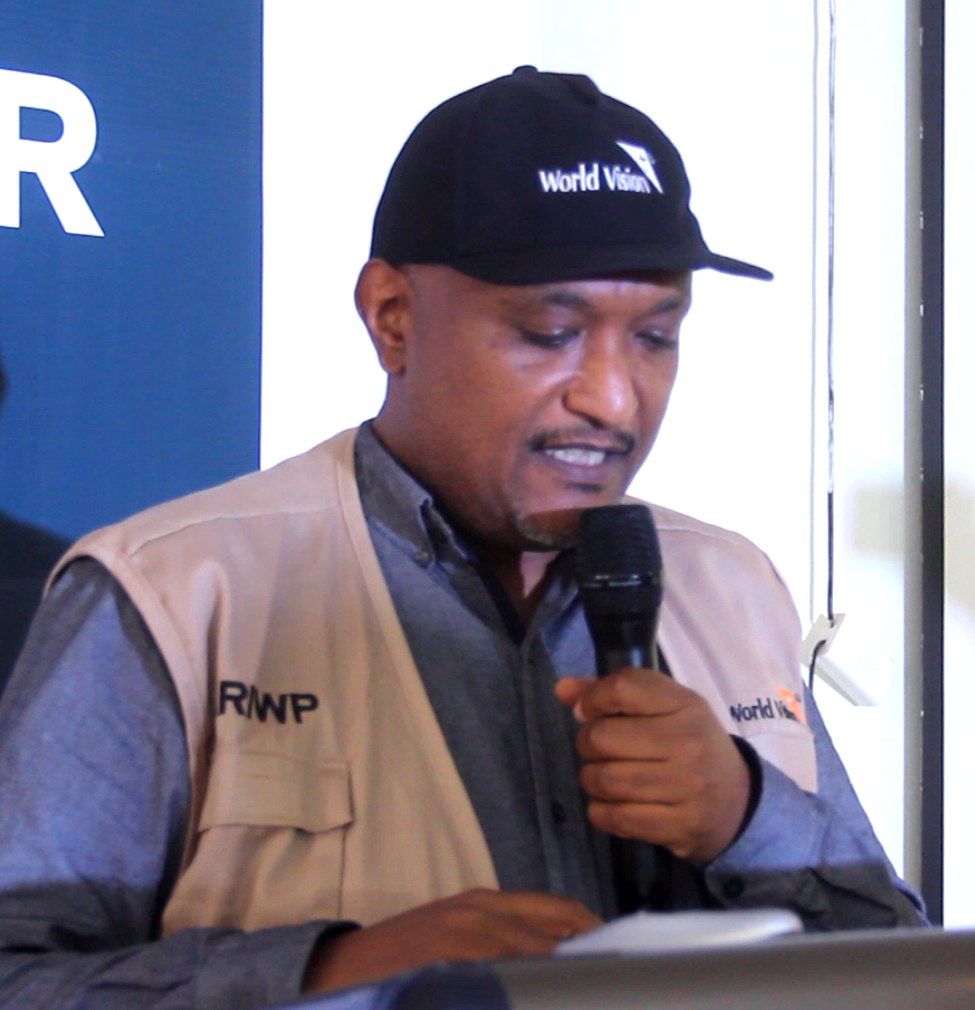
He added that more than 535,000 people will also have access to water through ongoing interventions, while 351 schools are expected to be provided with water facilities to prevent pupils from travelling long distances in search of water.
Some beneficiary District Chief Executives, including those from Zabzugu, Kpandai and the Municipal Chief Executive for East Gonja, together with representatives from the Regional Coordinating Council, reaffirmed their commitment to partnering with World Vision Ghana to improve access to WASH facilities in schools and communities.
They described the initiative as timely and beneficial and pledged their support towards ensuring the successful implementation of the project. Associate Professor of Hydrology and Dean at the University for Development Studies, Professor Maxwell Anim-Gyampo, who chaired the event advised beneficiary assemblies to prioritize sustainability and maintenance of all WASH facilities that would be provided under the project.
Professor Anim-Gyampo further urged assemblies to establish effective monitoring and management teams to ensure the successful implementation and long-term sustainability of the interventions.
Northern Operations Manager of World Vision Ghana, Redford Bugre, noted that many communities in northern Ghana still rely on streams and dams as sources of drinking water, while several schools continue to face serious infrastructure deficits, including inadequate furniture and lack of water facilities.
“We hope that we can pull our resources together to provide basic facilities such as water to these communities,” he stated.
Mr. Bugre assured stakeholders that all ongoing interventions by World Vision Ghana would continue alongside the Universal Service Coverage Project despite the organization’s sponsorship programme transitioning out of some districts. “Our sponsorship funding programme may be exiting the west Gonja municipality, but the Universal Service Coverage Project will still remain operational in the district,” he assured.