


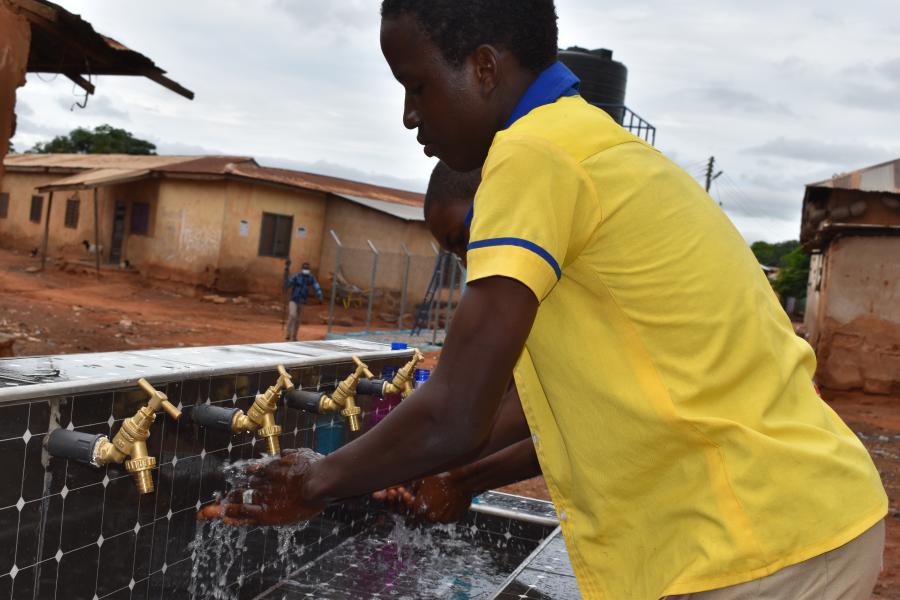
WaterAid Ghana has reminded duty bearers that access to safe water, decent sanitation and good hygiene is a constitutional right of every citizen and must be treated as a responsibility rather than a favour.
The organization says the reminder has become necessary amid growing concerns over communities’ lack of access to clean water, decent toilet facilities and proper hygiene, as many continue to grapple with the devastating effects of climate change.
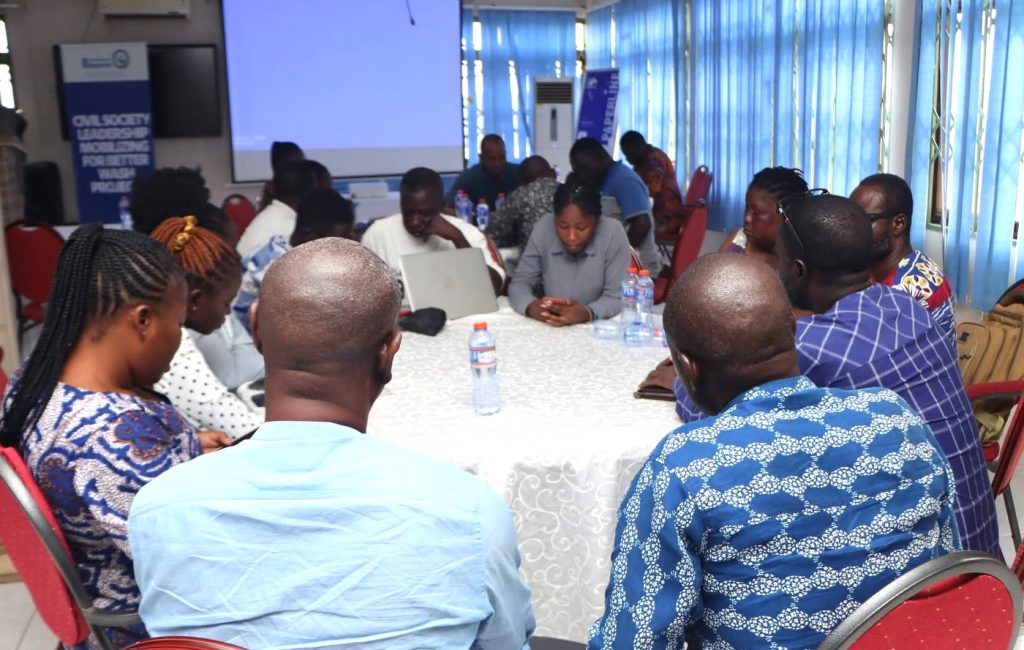
Programmes Manager in charge of WASH and Climate change at WaterAid Ghana, Mr Richard Ntibrey, made the call while taking journalists through “Climate Change and its Linkages to WASH Rights Violations” during a three-day training programme organized by Belim Wusa Development Agency (BEWDA) in partnership with WaterAid Ghana in Bolgatanga.
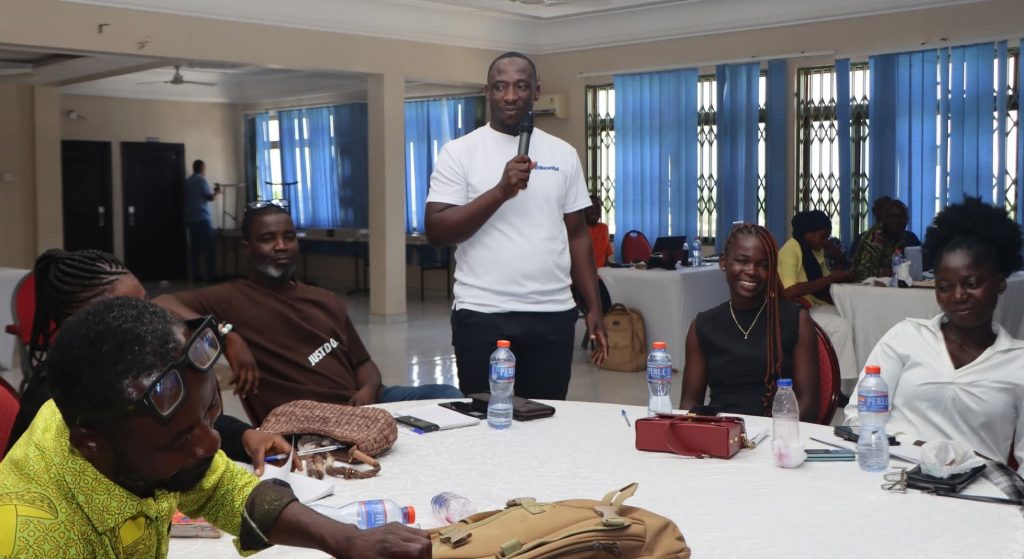
He urged media practitioners to deepen their knowledge of WASH and climate change to enable them to properly inform citizens about their rights and hold duty bearers accountable.
Mr. Ntibrey said journalists have a critical role to play in addressing challenges associated with climate change and water, stressing the need for systemic change to ensure sustainable access to clean water, decent toilets and good hygiene.
He said journalists should not focus only on duty bearers but also understand the challenges confronting right holders (citizens) in order to effectively advocate for solutions.
“Journalists should not only be interested in duty bearers but also understand the right holders, understand their issues and use that knowledge to cause change,” he said.
WaterAid Ghana in collaboration with BENWDA are implemented SIDA CLIMB project in five districts, including Bawku West, Kassena-Nankana West, Kassena-Nankana Municipality and Bongo, following a climate vulnerability assessment conducted in the beneficiary communities.
According to Mr. Ntibrey, the assessment identified declining rainfall, significant reductions in borehole water levels and increasing heatwaves, particularly in parts of the Nabdam area.
He said the affected communities also record high poverty levels, according to data from the Ghana Statistical Service, making them particularly vulnerable to climate-related challenges and issues of climate justice.
Mr. Ntibrey noted that while non-governmental organisations continue to support communities with WASH facilities and climate change mitigation measures, government must take ownership of such initiatives and strengthen collaboration with relevant stakeholders, including the media.
He called on government, particularly at the local level, to increase investment in sustainable WASH infrastructure to enable communities to cope with the growing impact of climate change.
Mr. Ntibrey further encouraged journalists to regularly visit and report from affected communities to gain a better understanding of the realities of climate change and its impact on people’s lives.
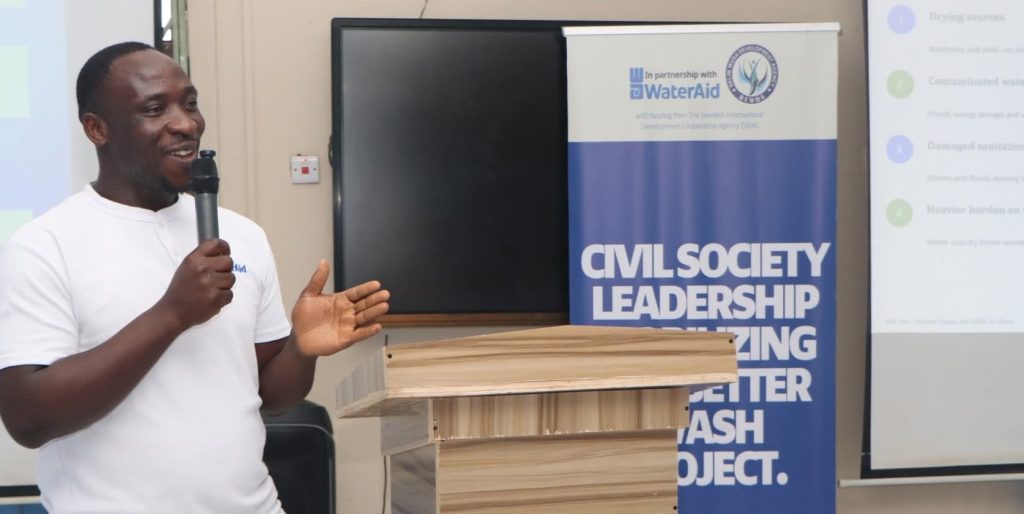
He explained that water challenges have far-reaching consequences, affecting agriculture, household food security and nutrition, while poor sanitation can further worsen public health challenges.
He further called for stronger systems and sustained advocacy to improve WASH services and ensure that all citizens have access to clean water, decent sanitation and proper hygiene, especially in the face of climate change.
